
Basements across Ireland face constant exposure to groundwater pressure, fluctuating weather conditions, and moisture migration through masonry and concrete. Without the correct basement waterproofing approach, even minor water ingress can develop into structural deterioration and mould growth, which leads to long-term indoor air quality concerns. However, modern basement tanking systems are designed to create a controlled barrier against moisture intrusion while also supporting the long-term integrity of below-ground spaces.






-13%
Basement Tanking
Original price was: €300.00.€260.00Current price is: €260.00.
-38%
Basement Tanking
Original price was: €80.00.€50.00Current price is: €50.00.
-38%

Tanking Systems and Waterproofing Interventions for Basements
There are several waterproofing interventions for tanking systems for basements. That said, the best choice is dependent on the condition of the structure, hydrostatic pressure levels, and the intended use of the space.Type C Cavity Drain Membranes
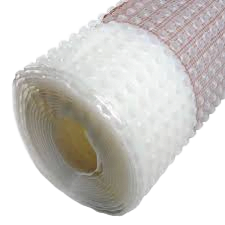
A basement tanking membrane using a Type C cavity drain system manages water ingress rather than attempting to block it entirely. How it works is high-density polyethylene membranes are fixed to internal walls and floors, creating a controlled drainage cavity that channels water toward drainage points or sump systems. This form of waterproofing tanking membrane is particularly effective in Irish properties where groundwater pressure can fluctuate throughout the year. It also allows the structure to breathe while reducing the risk of trapped moisture behind finished surfaces.Cementitious Tanking Slurries (Type A)
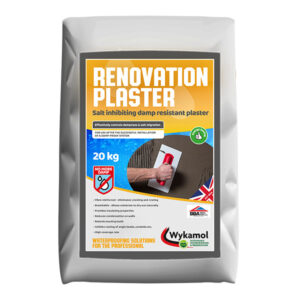
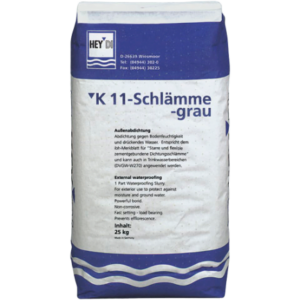
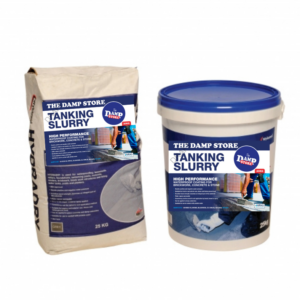
Cementitious slurry systems form a rigid waterproof coating applied directly onto masonry or concrete substrates. These materials then chemically bond with the surface to resist water penetration and are commonly used when tanking a basement in older stone or block-built properties. Additionally, a properly installed tanking slurry can provide durable resistance against moisture ingress, although substrate preparation and structural condition remain critical to its long-term performance.Structural Injection Creams
Structural injection creams are often used where moisture enters through cracks, construction joints, or porous masonry. These resin-based systems penetrate internal voids and expand to create a water-resistant seal within the substrate itself. Thus, injection systems are frequently incorporated alongside a foundation waterproofing membrane or basement tanking membrane for more comprehensive remediation.Positive Input Ventilation (PIV) Units
Waterproofing alone may not resolve condensation-related moisture issues within subterranean spaces. Positive Input Ventilation units improve internal air circulation by introducing filtered air into the property, helping regulate humidity levels and reduce condensation build-up. This is especially beneficial in Irish homes where damp climatic conditions contribute to elevated indoor moisture levels year-round.Why Buy Basement Tanking Systems and Waterproofing with The Damp Store
Here at The Damp Store, we supply specialist basement waterproofing products designed for Irish construction methods, environmental conditions, and regulatory standards. From tanking membranes to ventilation systems and injection products, the focus remains on practical, technically sound waterproofing solutions. Property owners, contractors, and surveyors rely on professionally specified basement tanking systems that balance durability, moisture control, and long-term structural protection. Whether addressing minor seepage or full-scale subterranean waterproofing, selecting the correct materials from the outset significantly reduces future remediation costs.How Does Moisture Intrusion Occur?
Moisture intrusion below ground level typically develops through hydrostatic pressure, porous masonry, failed waterproof barriers, or construction defects. Since water naturally seeks the path of least resistance and may penetrate through floor slabs, retaining walls, service penetrations, or structural cracks. Ireland’s frequent rainfall and naturally damp ground conditions place continuous pressure on below-ground structures, particularly in older buildings where original waterproofing measures may have deteriorated over time.Diagnosing Subterranean Moisture Ingress and Entry Points
Accurate diagnosis is essential before specifying any waterproofing system. Without identifying the underlying source of moisture, even high-quality basement tanking systems may fail prematurely. A professional damp assessment identifies:- Active water entry points
- Hydrostatic pressure levels
- Existing membrane failures
- Condensation-related issues
- Structural cracking or movement
- Salt contamination within masonry
Remediation Protocol and Regulatory Compliance (Engineered Execution and TGD C Compliance)
Basement waterproofing in Ireland should align with Irish Building Regulations Technical Guidance Document C (TGD C), which outlines standards for site preparation, moisture resistance, and structural waterproofing. Whether installing a foundation waterproofing membrane or cementitious slurry system, engineered execution remains critical to achieving long-term waterproofing performance. For reference, professional remediation protocols generally include:- Detailed moisture surveying
- Structural condition assessment
- Selection of suitable waterproofing systems
- Drainage design where required
- Controlled installation procedures
- Ventilation and moisture management planning