Wet and Dry Rot Treatment Solutions

Moisture is one of the biggest threats to the timber within homes and commercial buildings, and when it goes untreated, it can lead to fungal decay, which weakens wood and severely damages the structures. Regardless of whether you’re dealing with dry rot or wet rot, acting early with the right products can help limit the damage.

Basement Tanking

Mapeproof Swell (Pack of 6)

204.00

Basement Tanking

Ultracare Deep Cleaner

9.50
-33%

Wet and Dry Rot Treatment Solutions

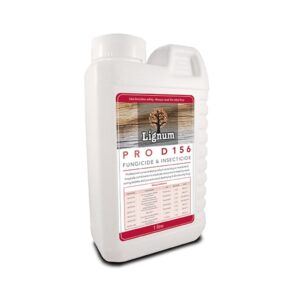
Lignum Dry Rot Killer

Original price was: €75.00.Current price is: €50.00.
-33%
Original price was: €75.00.Current price is: €50.00.
-33%
Original price was: €75.00.Current price is: €50.00.

Good news! At The Damp Store, we supply trusted dry rot treatment products and wet and dry rot treatment solutions for homeowners, contractors, and property professionals throughout Ireland. From preventative treatments to remedial products, you'll find practical solutions to help restore and protect timber.

Dry Rot Treatment Products and Remediations

Choosing the right wood rot treatment depends on the type of fungal decay, the extent of the damage, and whether the affected timber can be repaired or needs replacing.

Dry Rot Fungicide Spray and Surface Treatments

A quality dry rot treatment spray is designed to eliminate fungal growth on affected timber and surrounding surfaces. Applying a dry rot fungicide spray after removing the source of moisture can help prevent the fungus from spreading further. Many treatments are also suitable as a fungicide for dry rot in surrounding masonry and timber where fungal spores may be present.

Deep-Penetrating Wet Rot Treatment

Unlike dry rot, wet rot is usually confined to timber exposed to persistent moisture. A penetrating wet rot treatment helps protect sound timber while treating affected areas once the moisture source has been addressed. Additionally, proper ventilation and fixing leaks are essential parts of any long-term repair.

Structural Wood Rot Treatment Pastes

Where timber has been locally affected but remains structurally repairable, specialist treatment pastes can be applied to strengthen and protect the wood. These products form part of a complete wood rot treatment plan and are often used alongside liquid treatments for long-lasting protection.

Diagnostic Damp and Rot Surveys

If you're unsure about the extent of the damage, a professional survey can identify whether you're dealing with dry rot, wet rot, or another moisture-related issue. Understanding the cause before purchasing treatment products helps ensure you choose the right solution for your property.

Why Choose The Damp Store When Dealing with Dry or Wet Rot?

Finding the right products doesn’t need to be complicated. At The Damp Store, we supply high-quality treatments from trusted manufacturers, making it easier to find reliable solutions for both preventative maintenance and remedial work. Our range is selected for the needs of Irish properties, where damp weather and moisture can contribute to timber decay. Whether you're carrying out a DIY repair or sourcing products for a professional project, we're here to help you choose the appropriate treatment for the job.

Dry Rot vs. Wet Rot

What is the Difference When Treating Dry Rot vs. Wet Rot?

A common question we get is “what is dry rot and what is wet rot?” Dry rot is a fungal decay that can spread through timber and, in some cases, across masonry in search of additional moisture. If left untreated, it can seriously weaken structural timber. While, wet rot develops when wood remains damp for prolonged periods, typically around leaking roofs, pipes, windows, or poorly ventilated areas. Unlike dry rot, it usually remains limited to the consistently wet timber. Because the two types of decay behave differently, treating dry rot in wood often requires a broader approach that includes removing infected timber, treating surrounding areas, and eliminating moisture. Wet rot treatment generally focuses on replacing or repairing damaged timber while removing the source of dampness.

How Wood Rot Develops

Wood rot develops when timber is exposed to excessive moisture over time. Roof leaks, rising damp, plumbing issues, condensation, and poor ventilation all create conditions where fungal spores can grow. That said, the earlier these moisture problems are addressed, the easier it is to protect the surrounding timber. This is why regular inspections, especially in older Irish properties, are necessary to help identify issues before extensive repairs are needed.

How to Treat Wet Rot and Dry Rot

Understanding how to treat dry rot begins with identifying and removing the source of moisture. Any severely damaged timber should be replaced, while surrounding wood may require treatment using a suitable dry rot treatment or fungicidal product to help prevent further fungal activity. Similarly, how to treat wet rot starts with fixing leaks or damp conditions. Once the timber has dried, affected sections can be repaired or replaced, and a suitable wet rot treatment can be applied to help protect adjacent timber. Successful treatment always combines moisture control with appropriate remedial products. Simply applying chemicals without resolving the underlying damp problem is unlikely to provide a lasting solution.

FAQs

Can you repair dry rot yourself?

Small, localised areas may be suitable for DIY treatment if the moisture source has been fixed and the damage is limited. More extensive outbreaks affecting structural timber should be professionally assessed before repairs begin.

How do I know if I need a survey before buying dry rot treatment products?

If you're unsure whether you have dry rot, wet rot, or another damp issue, a professional survey is always recommended. Correct diagnosis helps ensure you purchase the most suitable treatment products.

What kills dry rot naturally?

The fungus cannot survive without moisture, so eliminating damp conditions is essential. However, established dry rot usually requires specialist dry rot treatment products alongside moisture control for the most effective remediation.

How do professionals treat dry rot?

Professionals identify the moisture source, remove heavily affected timber where necessary, apply appropriate fungicidal treatments to surrounding areas, and replace damaged wood to restore the affected structure.

Can you stop dry rot once it starts?

Yes, early intervention gives the best chance of stopping further spread. Additionally, fixing the moisture problem and using suitable dry rot treatment products promptly can help protect surrounding timber and reduce the need for more extensive repairs.