
Anti-Condensation Coating In Ireland
Condensation is a common issue in many homes, especially in areas with high humidity, poor ventilation, or drastic temperature changes. It occurs when warm, moist air comes into contact with cold surfaces, causing water droplets to form. Over time, this moisture can lead to unsightly mould growth, damage to walls, and a damp, uncomfortable living environment. To combat this, anti-condensation paint provides an effective solution, offering a protective barrier that reduces moisture buildup on surfaces.
The causes of condensation are often linked to poor ventilation, inadequate insulation, or simply living in an environment with high humidity levels. Whether it’s in kitchens, bathrooms, or basements, it’s important to address these issues. Our selection of damp proof paint includes the best anti-mould paint options, designed to provide long-lasting protection and prevent moisture from penetrating walls. These coatings not only help to maintain a dry, healthy home but also improve the air quality.
Are you ready to explore our selection of anti condensation paint products to ensure your home stays dry, comfortable, and mould-free? Whether you’re currently dealing with moisture problems or you’re on the hunt for a preventative, our expert-approved solutions have you covered.
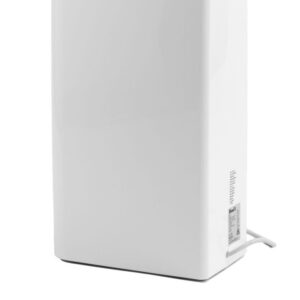
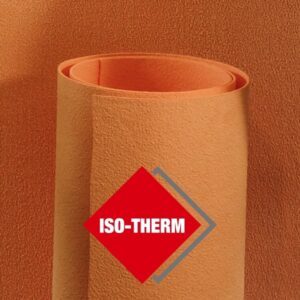


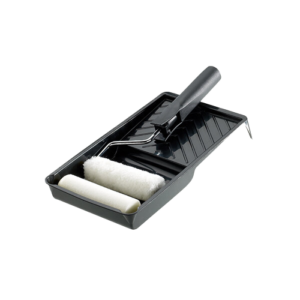


Condensation
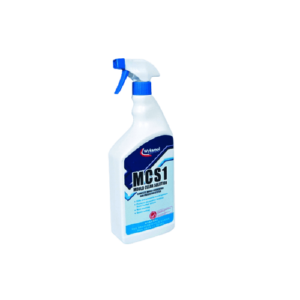

What Is Anti Condensation Paint?
Anti condensation paint is a specialist coating designed to reduce the formation of condensation on walls and ceilings. Since it contains insulating additives that help keep surface temperatures warmer, it makes it harder for the moisture in the air to settle into water droplets. This type of paint is commonly used in kitchens, bathrooms, bedrooms, and other areas where excess humidity can lead to damp problems.
How Does Anti Condensation Paint Work?
Anti condensation paint works by creating a thermal barrier on the painted surface. By helping walls stay slightly warmer, it reduces the temperature difference between the room air and the wall surface, which is one of the main causes that leads to condensation. With less condensation there’s a lower risk of damp patches, peeling paint, and mould growth. However, for best results, anti condensation paint should be applied to clean, dry surfaces and used alongside good ventilation.
What Is Anti Mould Paint?
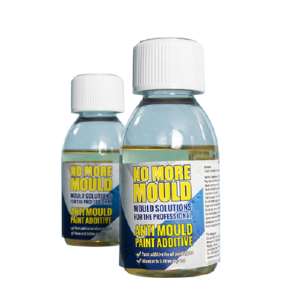
Anti mould paint is a specially formulated coating that contains mould-inhibiting agents designed to prevent fungal growth. Often referred to as mould proof paint or mould resistant paint, it helps protect walls and ceilings in moisture-prone areas. It is also particularly popular as anti mould bathroom paint, as warm, humid conditions can encourage extra mould development.
How Does Anti Mould Paint Work?
Anti mould paint creates a protective surface that discourages mould spores from growing and spreading, the biocidal ingredients within the coating help prevent mould from establishing itself on painted surfaces. While anti mould paint offers excellent protection, it should always be applied to a properly prepared surface, with any existing mould treated and removed beforehand.
Importance of Managing Indoor Condensation
Managing indoor condensation is crucial for maintaining a healthy living environment. Excess moisture in the air can lead to a variety of problems, including mould growth, damp walls, and musty odours, which can affect both the structure of your home and your overall well-being. Poorly managed condensation occurs in high-humidity areas where moisture can accumulate on cold surfaces, like kitchens, bathrooms, and basements. Using products like Suretherm anti condensation paint can significantly reduce moisture from building up on walls and ceilings. This specialized paint helps create a barrier that keeps surfaces warmer, reducing the chances of condensation forming. In addition, damp proof paint provides extra protection by preventing moisture from penetrating the walls, which further reduces the risk of mould and water damage. By properly managing indoor condensation, you can improve air quality and preserve the integrity of your home.
Benefits of using Anti-Condensation Paint
Using anti-condensation paint offers several key benefits that help to prevent mould growth, dampness, and potential damage to walls. Plus, the coatings create an added layer of protection against moisture. Here’s how else it can benefit you:
- Improved Insulation: Suretherm anti condensation paint works by keeping surfaces warmer, making it harder for condensation to form, especially in colder months.
- Increased Durability: By protecting your walls from the effects of dampness, thermal dry paint helps extend the lifespan of your walls, preventing structural damage caused by moisture.
- Better Indoor Air Quality: Reducing condensation and mould means healthier indoor air, ideal for those with respiratory conditions or allergies.
- Cost-Effective Solution: Anti condensation paint is an affordable, long-term solution to ongoing moisture issues.
How to use Anti-Condensation Paint
Using anti-condensation paint is a straightforward process that can significantly improve moisture buildup and prevent mould growth. Here’s a step-by-step guide to help you apply this specialized coating effectively:
- Prepare the Surface: Start by cleaning the area to remove any dirt, dust, or loose paint. If there is existing mould or mildew, clean the surface with a mould remover and allow it to dry completely. For best results, ensure the surface is smooth and free of imperfections.
- Prime the Area: In cases of heavy dampness, it’s a good idea to apply a thermal dry paint primer. This will create a solid foundation for the condensation paint and help improve adhesion.
- Apply the Anti-Condensation Paint: Once the primer is dry, apply your best anti mould paint (aka anti-condensation paint). Use a high-quality brush or roller, and work in smooth, even strokes. For maximum protection, apply two coats, allowing each layer to dry thoroughly before adding the next.
- Allow to Dry: After the final coat, let the paint dry completely. Depending on the product, this may take anywhere from four to 24 hours.
By following these steps, you’ll create a moisture-resistant barrier that helps to reduce condensation, improve air quality, and prevent mould from forming.
FAQs
Can you paint over anti condensation paint?
Yes, most anti condensation paints can be painted over once fully cured. However, we suggest that you first check the manufacturer's recommendations to ensure compatibility with your chosen topcoat.
Does anti condensation paint work?
Yes, anti condensation paint can significantly reduce condensation by improving the thermal properties of surfaces. However, it is most effective when combined with adequate heating and ventilation.
Can you wallpaper over anti condensation paint?
Yes, wallpaper can be applied over anti condensation paint, but the paint should be fully dry and suitable for wallpaper adhesion.
What is the best anti condensation paint?
The best anti condensation paint is entirely dependent on the room, surface type, and level of moisture exposure. High-quality specialist coatings that offer thermal insulation and long-term durability will generally provide the best results.
What Is the difference between anti condensation paint and anti mould paint?
Anti condensation paint helps prevent moisture from forming on surfaces, while anti mould paint is designed to inhibit mould growth. In some situations, using both products can provide maximum protection.
How long does anti-condensation paint last?
When applied correctly, anti condensation paint is effective for several years. However, its longevity depends on room conditions, maintenance, and product quality.
How many coats of anti-condensation paint?
Most manufacturers recommend applying two coats for optimum performance, although coverage requirements can vary by product.
Can I paint anti-mould paint over mould?
No, existing mould should be thoroughly treated and removed before applying anti mould paint. Painting directly over mould will not solve the underlying issue.
What is the best paint to stop mould?
A high-quality mould resistant paint or mould proof paint specifically designed for damp environments is the best option for preventing mould growth.
How do you treat mould before painting?
Before painting, clean the affected area with a suitable mould treatment, remove any visible growth, allow the surface to dry completely, and repair any sources of moisture. Once prepared, apply a suitable anti mould paint for long-lasting protection.