
Last Updated on August 13, 2026 by Feargal
Mould isn’t just unsightly; it’s often a sign of excess moisture or an underlying damp issue. Whether it’s mould on walls in the bedroom, around windows, or on the ceiling, when left untreated, mould can affect your health, damage your home and continue to return despite repeated cleaning.
Here’s what causes mould in a bedroom, how to prevent it, and when it’s time to call in a damp proofing specialist.
What Causes Mould in a Bedroom?
Condensation From Everyday Living
The most common cause of mould in a bedroom is condensation. Breathing while sleeping, drying clothes indoors and poor ventilation all increase indoor humidity. When warm, moisture-laden air meets cold surfaces, water droplets form, creating the ideal conditions for mould growth.
Cold Walls, Poor Insulation and Thermal Bridging
Cold external walls and poorly insulated areas lose heat quickly, making them more likely to collect condensation. Thermal bridging, where heat escapes through structural elements, can also create persistent cold spots where mould develops, particularly behind wardrobes or beds.
Rising Damp and Penetrating Damp
While less common than condensation, rising damp and penetrating damp can also cause mould in a bedroom. Rising damp allows moisture to travel upwards from the ground, while penetrating damp results from defects such as damaged brickwork, cracked render, or leaking gutters allowing water into the property.
Leaks, Blocked Vents and Air Bricks
Hidden plumbing leaks, blocked air bricks and obstructed ventilation prevent moisture from escaping. Without adequate airflow, bedrooms remain damp for longer, increasing the likelihood of mould growth.
Common Signs and Types of Bedroom Mould
Mould on Bedroom Walls
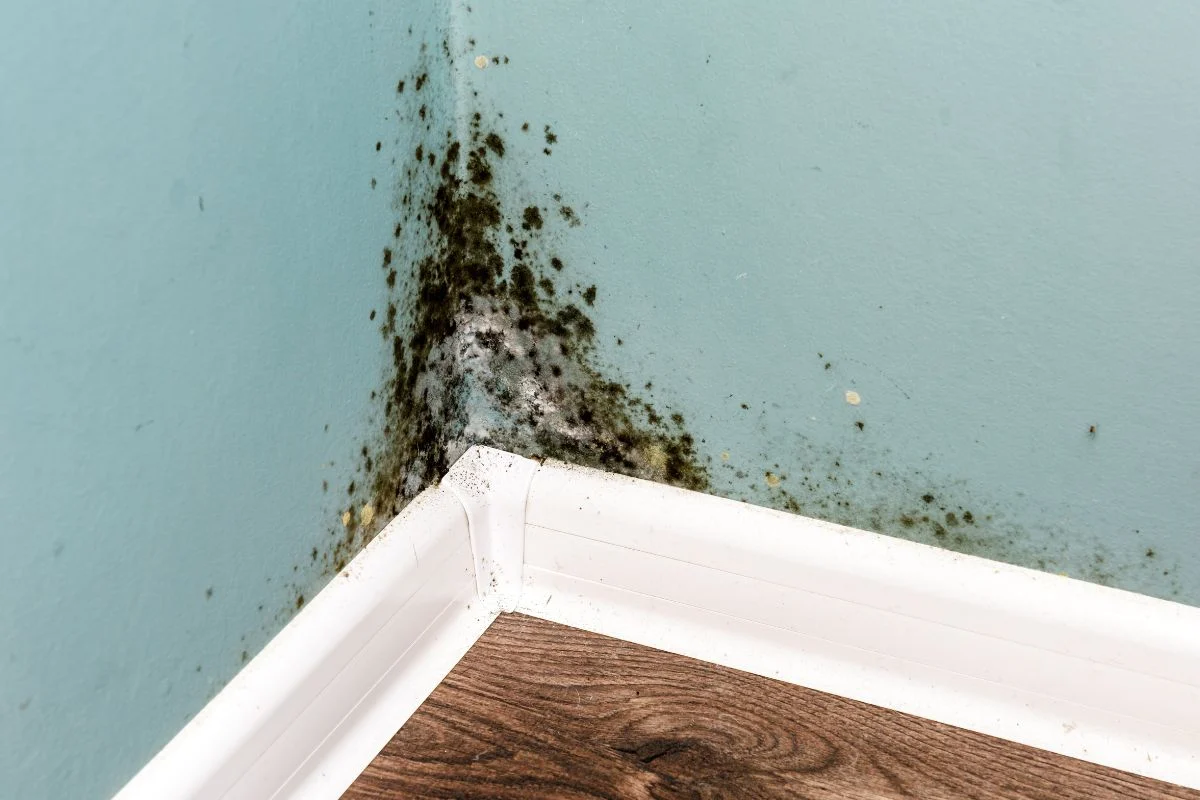
Mould on walls in the bedroom usually appears as black, green or dark brown patches, often behind furniture or in corners where air circulation is limited.
Mould on the Bedroom Ceiling
Bedroom ceiling mould often develops above windows or in corners where warm air rises and condenses. If ignored, staining and peeling paint may follow.
Mould Around Windows and Window Reveals
Mould around windows in the bedroom is a classic sign of condensation. Water collects on cold glass and nearby plaster, encouraging mould around window reveals and frames.
Musty Smell With No Visible Mould
A persistent mould smell in the bedroom without obvious staining may indicate hidden mould behind wardrobes, under flooring or inside wall cavities. The smell is often the first warning sign.
Black Mould vs Other Mould Types
Black mould in the bedroom is the type most homeowners recognise, but mould also appears in green, white or brown varieties. Regardless of colour, all mould indicates excess moisture and should be addressed promptly.
Dangers of Mould in the Bedroom

Health Risks of Sleeping in a Mouldy Room
The dangers of mould in the bedroom shouldn’t be ignored. Mould spores can aggravate asthma, allergies and other respiratory conditions while causing coughing, sneezing, irritated eyes and poor sleep quality. Children, older adults and anyone with existing respiratory conditions are particularly vulnerable.
Risks to Your Property
Beyond health concerns, mould damages paint, wallpaper, plaster, timber and furnishings. If the moisture source isn’t resolved, repairs become increasingly expensive over time.
How to Prevent Mould in the Bedroom
Ventilate Every Day (Even in Winter)
One of the simplest ways to prevent mould is by improving ventilation. Open windows for 10 to 15 minutes daily, particularly in the morning, and ensure trickle vents remain open where fitted. Good airflow helps remove moisture before condensation develops.
Control Humidity and Moisture
Aim to keep indoor humidity between 40% and 60%. Use extractor fans where possible, avoid drying clothes in bedrooms and consider using a dehumidifier during colder months if condensation is persistent.
Manage Temperature and Cold Spots
Keeping bedrooms at a steady temperature reduces condensation. Avoid letting rooms become very cold overnight, and move large furniture slightly away from external walls to improve air circulation.
Bedroom Habits That Help
Small daily habits make a significant difference. For example, keeping wardrobes from being overfilled, leaving space around furniture for airflow and wiping away window condensation as it appears. These simple measures help reduce mould in the bedroom before it becomes established.
Basement & Converted Bedrooms (Special Case)
Basement bedrooms and garage conversions are naturally more susceptible to damp because of their construction. These spaces often require specialist waterproofing, improved ventilation or damp proofing systems to remain dry long-term.
How to Get Rid of Mould in the Bedroom (Step-by-Step)

Safety First
Before cleaning mould, wear gloves, eye protection and a suitable face mask. Additionally, avoid dry brushing mould, as this releases spores into the air.
Cleaning Small, Surface-Level Mould
If the mould covers only a small area caused by condensation, clean it using a suitable mould removal product or diluted fungicidal solution. Follow the manufacturer’s instructions carefully, dry the surface thoroughly and address the moisture source to prevent recurrence.
When Cleaning Isn’t Enough and Calling a Damp Proofing Specialist is Needed
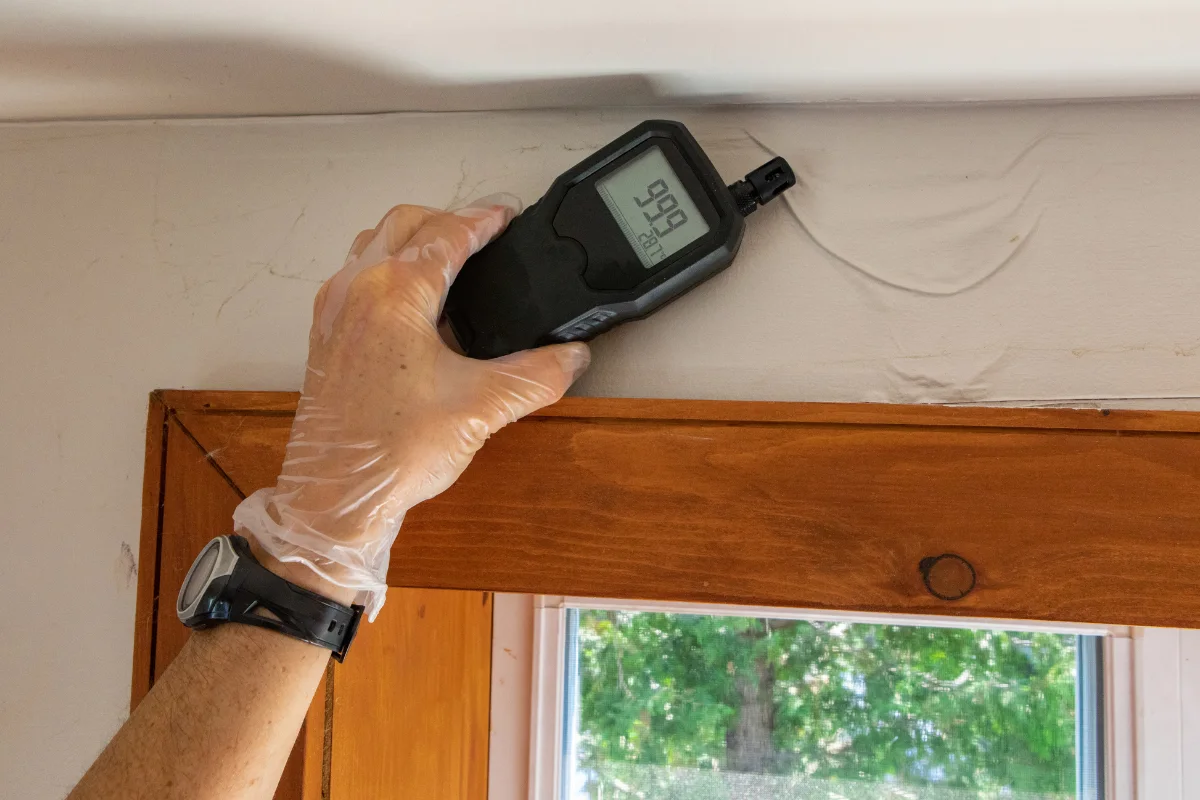
If mould repeatedly returns, covers large areas, or you suspect rising damp, penetrating damp or hidden leaks, cleaning alone won’t solve the problem. A professional damp survey can identify the root cause and recommend the correct treatment, preventing further damage to your home.
Why Homeowners, Architects & Builders Choose The Damp Store
The Damp Store supplies trusted damp proofing, waterproofing and ventilation solutions across Ireland for homeowners, builders and architects. With expert advice, quality products and proven systems for tackling condensation, rising damp and waterproofing projects, they help customers solve moisture problems properly rather than simply treating the symptoms.
Bedroom Mould Prevention Checklist
- Ventilate your bedroom every day.
- Keep indoor humidity below 60%.
- Wipe condensation from windows.
- Don’t dry clothes in the bedroom.
- Keep furniture slightly away from external walls.
- Maintain a consistent room temperature.
- Repair leaks promptly.
- Keep vents and air bricks clear.
- Investigate the cause of recurring mould rather than repeatedly cleaning it.
FAQs
Is black mould in the bedroom dangerous?
Yes, black mould can release spores that worsen allergies, asthma and respiratory conditions. It should be removed safely while addressing the underlying moisture problem.
Is it safe to sleep in a room with mould on the wall or ceiling?
Long-term exposure isn’t recommended. The longer mould remains, the greater the risk of health issues and property damage.
Why can I smell mould in my bedroom but can’t see any?
Hidden mould may be growing behind furniture, under flooring, inside wardrobes or within wall cavities. A persistent musty smell often indicates concealed moisture.
How do I know if bedroom mould is condensation or rising damp?
Condensation usually appears on cold surfaces, around windows and external walls. Rising damp generally affects the lower sections of walls and is often accompanied by tide marks or damaged plaster.
Why does mould keep coming back after I’ve cleaned it?
Cleaning removes visible mould but not the moisture source. Unless condensation, leaks or damp problems are resolved, mould will usually return.
Is mould damage in a bedroom covered by home insurance in Ireland?
It depends on your policy. Sudden damage from insured events may be covered, but mould resulting from long-term maintenance issues or condensation is often excluded. Always check with your insurer.
How do you stop getting mould in the bedroom?
Improve ventilation, control humidity, maintain steady temperatures and fix any leaks or damp issues promptly. Consistency is key to preventing mould from returning.
What can I put in my room to prevent mould?
A dehumidifier can help lower humidity, while moisture absorbers may assist in smaller spaces. However, if the underlying issue is poor ventilation or damp, these should be considered temporary aids rather than permanent solutions.
