
Last Updated on May 29, 2026 by Feargal
Whether you’re getting ahead of the maintenance on a newer property or upgrading a heritage building, the cost of damp proofing varies greatly between structures. With this in mind, your damp proof price will only increase when protective measures aren’t taken before a huge problem presents itself. Since damp has a way of creeping up on homeowners, one day there’s just a small patch on the wall, and the next it’s peeling paint and musty smells. It’s best to tackle your financial woes head-on by recognizing the problem and treating it professionally. In Ireland, where wet weather is part of everyday life, damp problems are common, but damp solutions are best left to leading contractors from The Damp Store.
What Solutions Work Best and How Much Do They Cost?

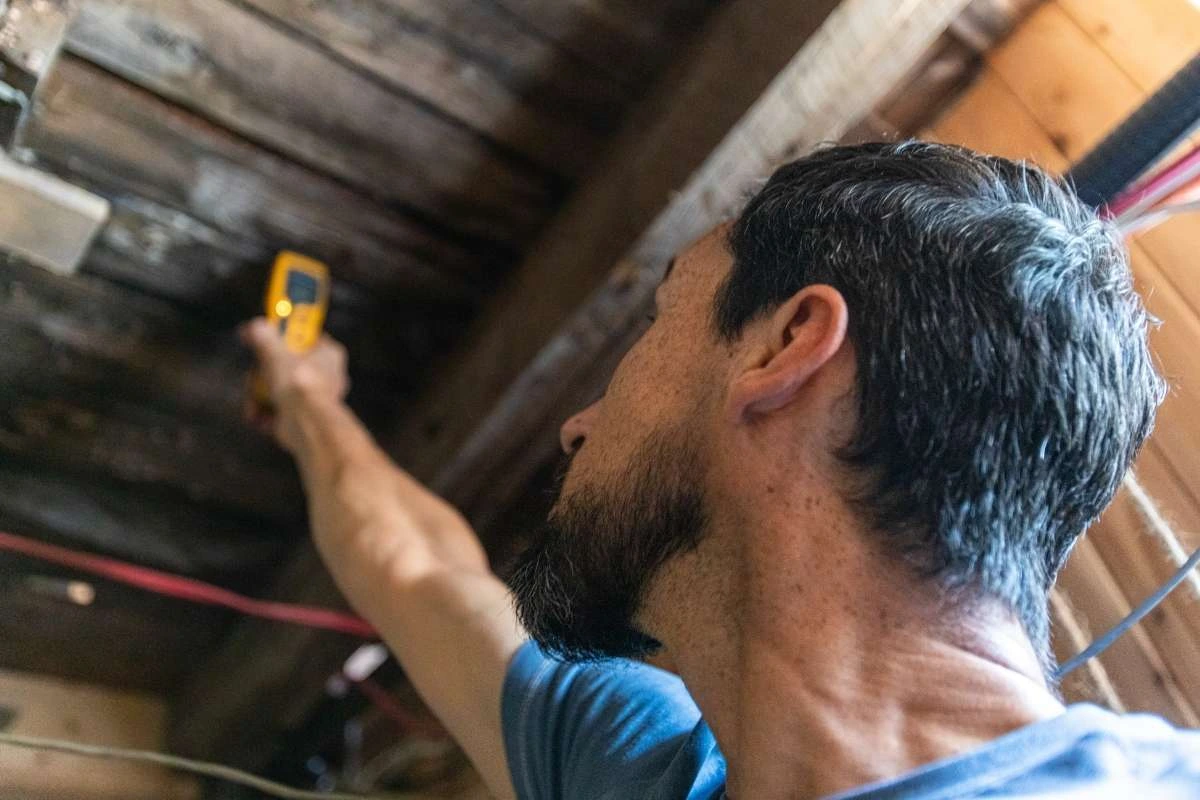
When tackling dampness, there is never one solution for all problems. This is why your damp proof price will vary depending on the size of the home or structure, the type of damp, and how advanced the issue has become. To best determine cost, most contractors will first conduct a professional inspection to identify whether you’re dealing with rising damp, penetrating damp, or condensation. A typical damp survey cost in Ireland is usually between €150 to €400, with some companies waiving this cost if hired for the job.
*The Damp Store will not only put the survey fee towards the total cost of the job, but for the month of May, will be offering free surveys. If that’s too soon to invest in your rising damp treatment, be sure to sign up for the mailing list to get notified of feature offers.
From there, the damp treatment cost will depend on the following solution options:
- Rising Damp Treatment: Including chemical damp proof injection, rising damp treatment is one of the most common fixes of damp. The standard semi-detached home typically costs €1,000 to €3,500, with larger structures costing up to €5,000 or more, depending on wall length and replastering needs.
- Penetrating Damp Treatment: The scope of penetrating damp treatment includes fixing external issues like cracked render, roofing, and gutters. The standard fix for minor repairs starts at €500 and can go up to 4,000+ for more extensive structural work.
- Condensation Solutions: By improving ventilation and installing extractor fans or positive input ventilation (PIV) systems, you can tackle condensation. The damp proofing cost for this solution ranges from €300 to €2,500, depending on the system and property size.
Understanding these ranges helps you to plan and choose the best solution for your home and budget.
Factors That Affect Damp Proofing Costs (and Hidden Costs!)
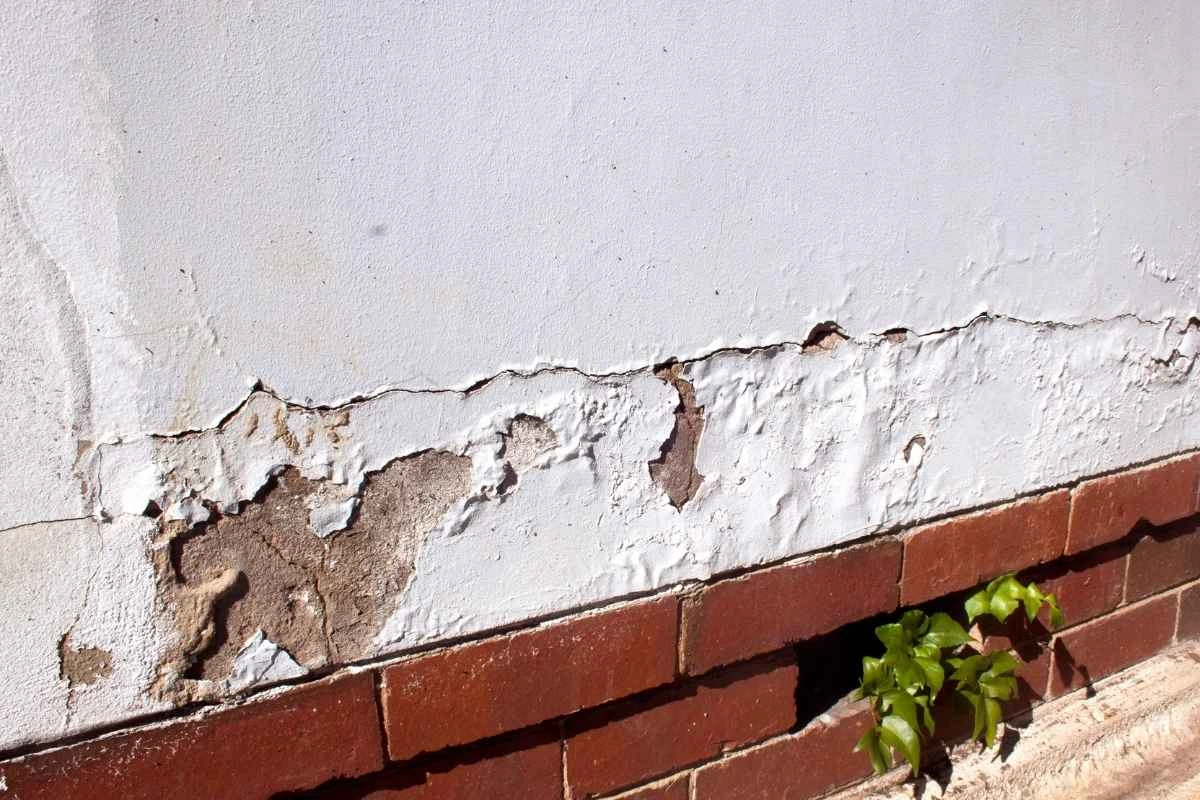
When planning any work, most homeowners naturally look for a quick estimate, often using a damp proofing cost calculator online. While these tools offer a helpful starting point, the reality is that the final damp treatment cost will depend on the following factors:
- Type of Damp Problem: This is the biggest factor driving your cost. Rising damp involving replastering, penetrating damp involving external repairs, and condensation issues with ventilation improvements all set a different price.
- Size and Layout of Property: A small home versus a large home, affected walls, numbers of rooms, ceiling heights, and accessibility all influence labour and material costs.
- Severity of the Damage: Early-stage damp is quicker and cheaper to fix than damp that has been left untreated to cause further structural damage.
- Internal Finishes and Replastering: After damping work, walls need to be stripped and replastered, alongside decorative finishes repaired or replaced, which significantly adds to the final bill.
- External Repairs and Maintenance: Fixing problems and preventing returning damp can add to “hidden costs” as foreseeable issues might be presented even if the damage hasn’t started.
- Hidden Issues Behind Walls and Floors: Once the work begins, sometimes additional problems are uncovered, such as rotting timber or insulation damage. These unexpected expenses increase the overall damp treatment cost.
- Labour and Location: Ireland is expansive and costs across the country vary based on availability and experience. Areas with higher demand can push prices up.
Irish Building Regulations

In Ireland, damp proofing work must comply with Building Regulations, particularly Part C (Site Preparation and Resistance to Moisture). These guidelines ensure that homes are protected against dampness through the proper materials and ventilation methods. While not every repair requires formal approval, any significant work should meet these standards.
FAQs
How can I tell if I need damp proofing or just a dehumidifier?
If you’re dealing with minor condensation, a dehumidifier may help, but persistent issues like musty smells and peeling plaster usually point to a deeper problem. In these cases, a survey is the best first step to understand the true damp treatment cost before tackling the problem.
Can I damp proof my house myself, or should I hire a professional?
While small fixes like sealing minor cracks can easily be done yourself, proper damp proofing requires special tools and knowledge of the trade. Hiring a professional ensures that your job is done correctly to avoid long-term damp treatment costs from a failed DIY attempt.
How long does a damp proof course last once installed?
A properly installed damp proof course can last 20 to 30 years depending on the workmanship. So, while the initial damp proof course cost is significant, it’s a long-term investment for your home.
How much does a damp survey cost in Ireland?
A damp survey cost can range from €150 to €400, depending on the size of the property and the level of detail required. Some companies may offer a free survey if you hire them for the damp proofing work.
Will I need to remove plaster and replaster walls after damp proofing?
Yes, in damp situations, contaminated plaster needs to be removed and replaced to stop salts and moisture from reappearing and spreading. While this adds to your overall damp treatment cost, it ensures a more effective result.
