
Last Updated on August 17, 2026 by Feargal
Many homeowners across Ireland encounter damp issues at some point, making early identification and treatment essential. Understanding the difference between penetrating damp vs rising damp is the first step towards finding the right solution and preventing further damage to your property.
Since Irish homes are exposed to a particularly challenging climate, with frequent rainfall, high humidity, and changing weather conditions throughout the year, these factors all contribute to moisture entering the home in different ways, such as staining, mould, and damage to walls. Different causes require different treatments, which is why The Damp Store is offering up our expertise.
What Is Penetrating Damp?
So, what is penetrating damp? Penetrating damp occurs when water enters a building from the outside and makes its way through walls, roofs, windows, doors, or other areas of the structure. Unlike rising damp, which typically moves upwards from the ground, penetrating dampness usually travels horizontally through walls or down from higher points in the property.
Penetrating damp can affect both modern and older Irish homes and is often linked to problems with the building’s exterior, such as damaged masonry, poor maintenance, or failed weatherproofing.
Common Causes of Penetrating Damp in Irish Homes
There are several common penetrating damp causes, including:
- Damaged or cracked external brickwork, stonework, or render.
- Blocked or leaking gutters and downpipes.
- Faulty roof tiles, flashing, or roof coverings.
- Poorly sealed windows and doors.
- Damaged pointing between bricks.
- Issues with external walls exposed to driving rain.
- Plumbing leaks within walls or ceilings.
In coastal areas or homes that experience strong winds and heavy rainfall, penetrating damp can become more common due to increased exposure to moisture.
What Does Penetrating Damp Look Like?

Wondering what does damp look like when it is caused by water entering from outside? Penetrating damp often appears as:
- Damp patches that become worse after heavy rain.
- Watermarks or stains on walls and ceilings.
- Peeling paint or bubbling wallpaper.
- Mould growth and musty smells.
- Localised damp areas around windows, doors, or roof lines.
Unlike rising damp, penetrating damp can appear anywhere on a wall, including higher sections of the property.
What Is Rising Damp?
Rising damp occurs when moisture from the ground travels upwards through the porous materials in a building, such as brick, stone, or mortar. This happens when water is drawn vertically through tiny gaps in the structure through a process known as capillary action. Older Irish properties, particularly those built before modern damp-proofing methods became standard, may be more vulnerable to rising damp. However, issues can also occur in newer buildings if a damp-proof course has been damaged or incorrectly installed.
How Rising Damp Gets Into Your Home
Rising damp usually occurs when there is a problem with the property’s damp-proof barrier. Common causes include:
- A missing, damaged, or bridged damp-proof course (DPC).
- External ground levels that are too high.
- Poor drainage around the property.
- Damaged foundations or older construction methods.
What Does Rising Damp Look Like?
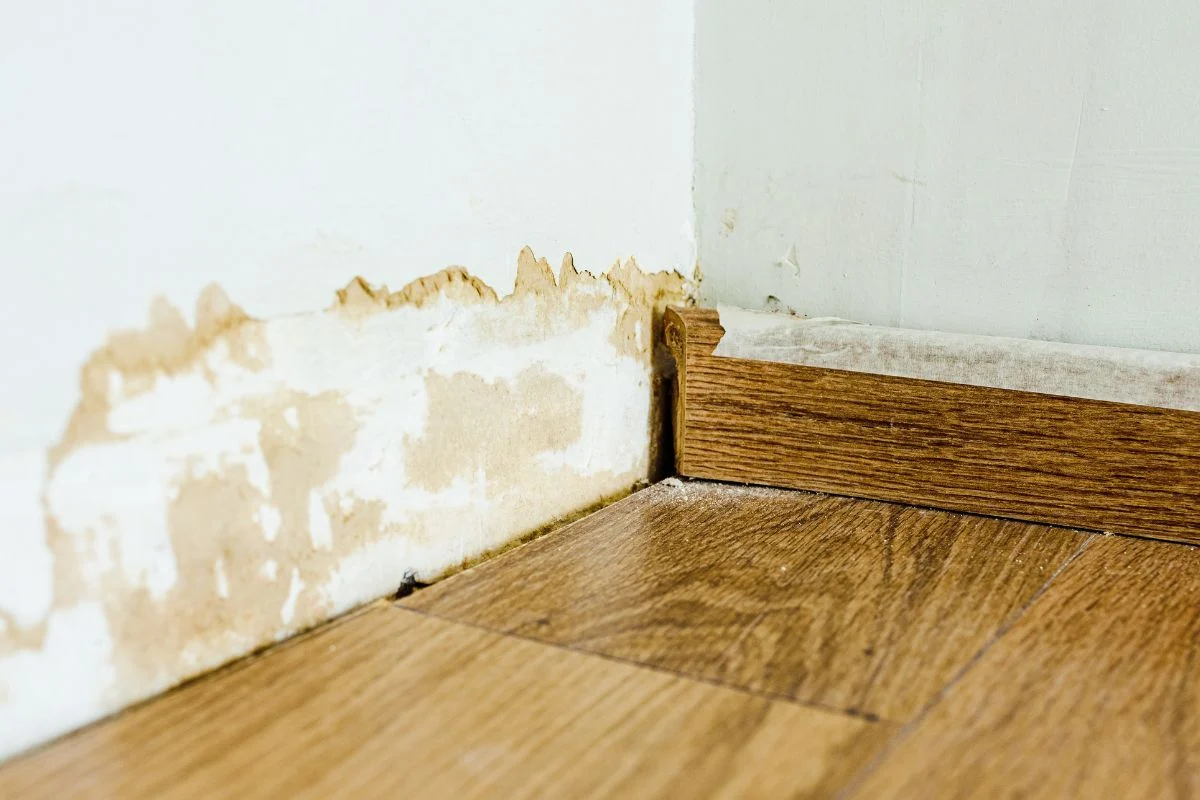
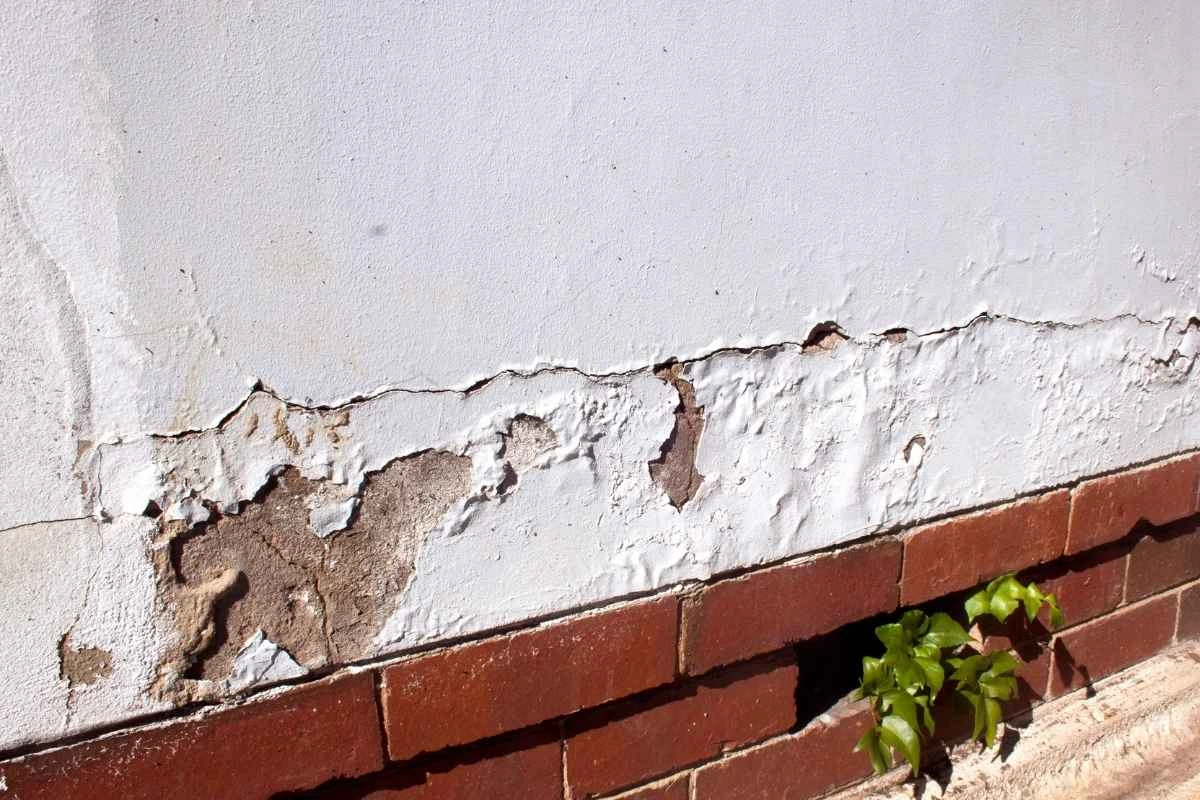
Rising damp typically affects the lower sections of walls and may appear as:
- Damp patches starting near the floor.
- A visible tide mark or horizontal staining line.
- Flaking paint or crumbling plaster.
- White salt deposits (efflorescence) on walls.
- A damp or musty smell.
The pattern of moisture is often one of the biggest clues when identifying rising damp compared with other types of damp.
What Does Damp Look Like?
Identifying damp early can help prevent more expensive repairs. However, different damp problems can sometimes look similar, making diagnosis difficult.
Signs to Look for on Lower Walls
Damp near the bottom of internal walls may indicate rising damp, especially when combined with:
- Peeling paint or damaged plaster near skirting boards.
- Salt deposits appearing on walls.
- A visible moisture line.
- Persistent dampness that does not improve with ventilation.
However, lower-wall damp can also be caused by plumbing issues, condensation, or external water penetration.
Signs to Look for on Upper Walls, Around Windows or Ceilings
Damp appearing higher up on walls is more commonly associated with penetrating damp. Look for:
- Staining around windows or door frames
- Damp patches beneath ceilings
- Water marks after periods of heavy rain
- Mould around poorly sealed areas
Penetrating Damp vs Rising Damp: Key Differences
| Feature | Penetrating Damp | Rising Damp |
| Main cause | Water entering from outside or through defects. | Moisture rising from the ground. |
| Typical location | Anywhere on walls, ceilings, around windows, or roof areas. | Usually starts at the bottom of walls. |
| Common triggers | Rain, leaks, damaged exterior surfaces. | Failed or missing damp-proof course. |
| Appearance | Localised damp patches, stains, mould. | Tide marks, salts, damaged plaster. |
| Treatment | Repairing external defects and improving waterproofing. | Damp-proofing measures and removing moisture pathways. |
When You Can’t Tell the Difference, Get a Professional Survey
If you are unsure whether you have rising damp or penetrating damp, a professional damp survey can identify the source of the moisture and recommend the correct treatment. Misdiagnosing damp can lead to unnecessary repairs and allow the underlying problem to continue and become more costly.
How Is Penetrating Damp Treated?
Treating penetrating damp starts by finding and repairing the source of the moisture problem. This may include:
- Repairing damaged brickwork or pointing.
- Fixing gutters, roofs, or external leaks.
- Improving seals around windows and doors.
- Applying suitable waterproofing treatments.
- Repairing damaged internal finishes after the cause has been resolved.
The most effective solution is always to stop water entering the property before repairing any cosmetic damage.
How Is Rising Damp Treated?
Rising damp treatment typically involves addressing the failed moisture barrier between ground and structure. Depending on the property, some solutions may include:
- Installing or repairing a damp-proof course.
- Removing contaminated plaster affected by salts.
- Applying specialist damp-proofing products.
- Improving drainage around the property.
A professional assessment is important because other issues, such as condensation or penetrating dampness, can sometimes be mistaken for rising damp.
When Should You Call a Professional Damp Proofer?

You should consider contacting a damp specialist if:
- Damp patches keep returning after cleaning.
- Mould or staining continues to spread.
- You notice damage to plaster, paint, or wallpaper.
- You cannot identify the source of moisture.
- You are preparing to buy or sell a property.
FAQs
How to tell the difference between rising damp and penetrating damp?
Rising damp usually affects the lower parts of walls and creates tide marks or salt deposits. Penetrating damp can appear anywhere and is often linked to external issues such as leaks or damaged walls.
What does penetrating damp look like on internal walls?
Penetrating damp on internal walls may appear as damp patches, staining, peeling paint, mould, or damaged wallpaper. It is often worse after rainfall.
Is rising damp real?
Yes, rising damp is a recognised form of dampness caused by moisture moving upwards through porous building materials, although it can sometimes be confused with other damp problems.
Can a property have both penetrating damp and rising damp at the same time?
Yes, a property can experience multiple sources of damp at once, particularly older homes where maintenance issues, weather exposure, and building materials may contribute to moisture problems.
How much does it cost to treat rising damp or penetrating damp in Ireland?
Costs vary depending on the size of the affected area, the cause of the damp, and the treatment required. The Damp Store recommends a professional survey as the best way to determine the correct solution and expected cost.
Do Irish building regulations require damp proofing in new builds?
Yes, modern Irish building regulations include requirements designed to prevent moisture problems, including the use of suitable damp-proof measures in new construction. However, proper installation and maintenance are important for long-term protection.
