

Last Updated on July 16, 2026 by Feargal
Damp walls are a common property issue facing numerous homeowners across Ireland. With our wet climate, driving rain, and older housing stock, it’s no surprise that many people find themselves searching for answers about how to damp proof a wall or looking for an effective damp wall solution. The good news is that most damp problems can be identified and treated once the source of the moisture is understood. Whether you’re dealing with rising damp, penetrating damp, or condensation, this guide explains the causes, treatments, and long-term solutions available to Irish homeowners.
What Causes Damp on Walls in Irish Homes?
Before you can choose the right damp treatment, it’s important to understand what’s causing the problem.
The most common causes of dampness in walls include:
- Rising damp from the ground
- Penetrating damp caused by rainwater ingress
- Condensation from poor ventilation
- Leaking pipes or plumbing defects
- Damaged render or pointing
- Faulty gutters and downpipes
- Bridged or failed damp proof courses
Many homeowners wonder what causes rising damp in internal walls. In most cases, it’s the result of moisture travelling upwards through masonry due to a missing, damaged, or ineffective damp proof course (DPC). However, identifying the cause is the first step towards successful wall damp proofing.
How to Identify the Type of Damp on Your Wall
Not all damp problems are the same.
Rising Damp

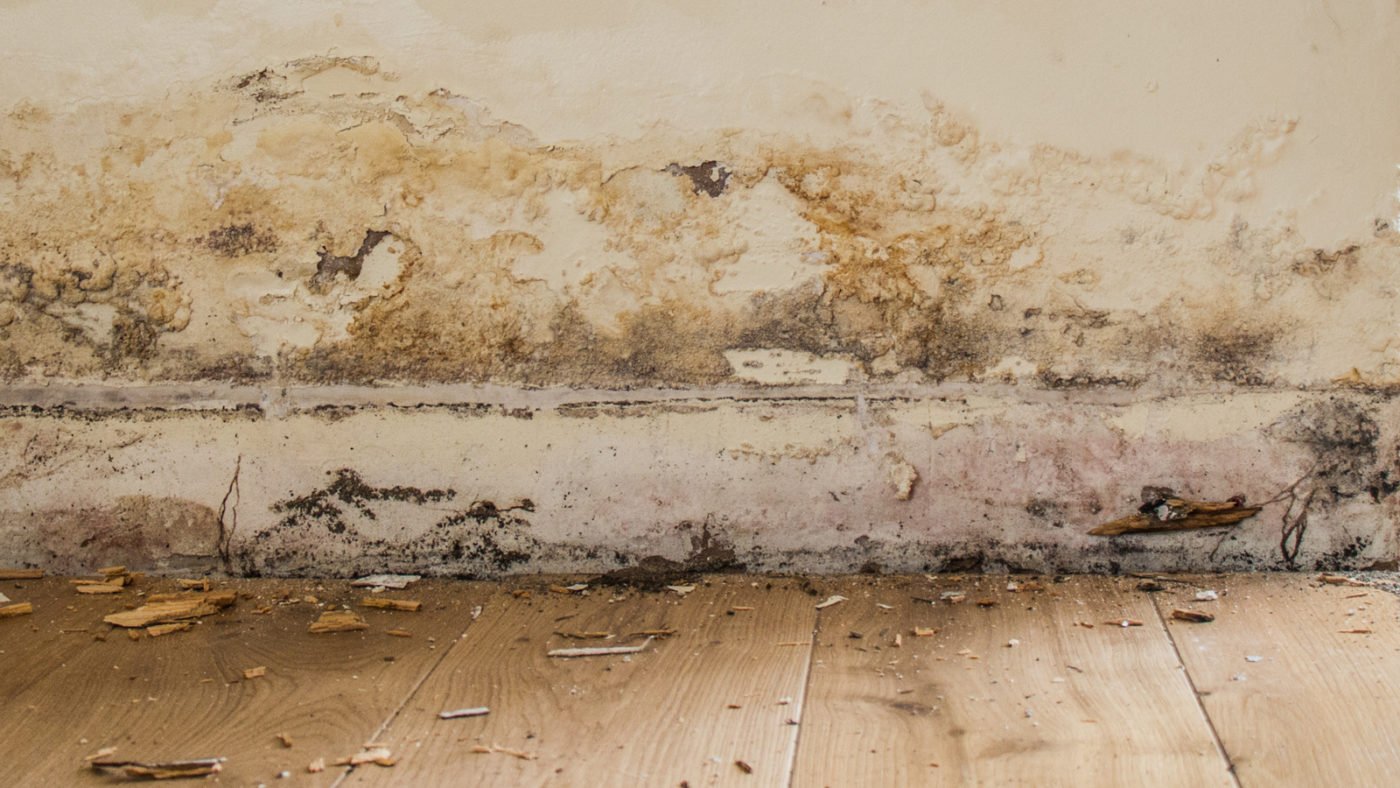
Typically found on ground-floor walls, rising damp often presents as:
- Tide marks up to one metre high
- Salt deposits
- Peeling paint
- Crumbling plaster
- Damp skirting boards
Penetrating Damp
Penetrating damp usually appears as isolated damp patches and can worsen after periods of heavy rain.
Some common signs include:
- Damp spots on external walls
- Staining on ceilings
- Damaged plaster
- Mould growth near leaks
Condensation

Condensation is particularly common in Irish homes during autumn and winter.
Signs include:
- Water droplets on windows
- Black mould growth
- Damp corners
- Musty smells
Understanding the type of damp affecting your property helps determine the most effective damp wall treatment.
How to Damp Proof a Wall
The best method is entirely dependent on the source of the moisture. Below are some of the most common solutions used in Irish homes.
Chemical DPC Injection (Rising Damp Treatment)

When rising damp is caused by a failed damp proof course, a chemical DPC injection is often recommended. How it works is small holes are drilled into the mortar joints and a specialist damp-proofing cream is injected. Once cured, the cream forms a water-resistant barrier that prevents moisture from rising through the wall. This is one of the most widely used methods of wall damp proofing for older Irish properties and can provide long-lasting protection when installed correctly.
Damp Proof Membranes for Internal Walls
A damp proof membrane for internal walls is designed to create a physical barrier between damp masonry and interior finishes. These membranes are often installed as part of a complete refurbishment project where moisture levels are particularly high. Moreover, a membrane system can be highly effective when combined with other forms of damp treatment, particularly in basements and ground-floor rooms.
How Do You Prepare a Wall for a DPM?
Proper preparation is essential for successful installation.
The process generally includes:
- Removing damaged plaster
- Cleaning the wall surface thoroughly
- Repairing loose masonry
- Treating any active water ingress
- Ensuring surfaces are dry enough for installation
Careful preparation helps maximise the effectiveness of the membrane and prevents future failures.
Tanking Slurry (Cementitious Waterproofing)

Tanking slurry is a cement-based waterproof coating applied directly to masonry surfaces. Once cured, it creates a watertight barrier that helps prevent moisture penetration.
This solution is commonly used in:
- Basements
- Cellars
- Retaining walls
- Below-ground structures
For severe moisture issues, tanking can form part of a comprehensive damp wall solution.
Repointing and Render Repair (Penetrating Damp)
External defects are a major cause of damp problems in Ireland. This includes cracked render, deteriorated pointing, and damaged brickwork, allowing rainwater to penetrate external walls.
Other repair work may include the following:
- Repointing masonry
- Repairing render
- Replacing damaged bricks
- Sealing external cracks
These repairs can significantly reduce wall dampness and prevent moisture from entering the building fabric.
How to Treat Damp Walls Before Painting
Many homeowners make the terrible mistake of painting over damp patches before the underlying problem is resolved. However, painting over damp without treatment rarely solves the problem and often leads to recurring damage.
When considering how to treat damp walls before painting, the correct process is:
- Identify and eliminate the source of moisture.
- Allow the wall to dry fully.
- Remove damaged plaster or paint.
- Apply any necessary damp-proofing treatments.
- Use a suitable stain-blocking primer.
- Repaint with a breathable paint system if recommended.
How To Fix Damp Walls Permanently
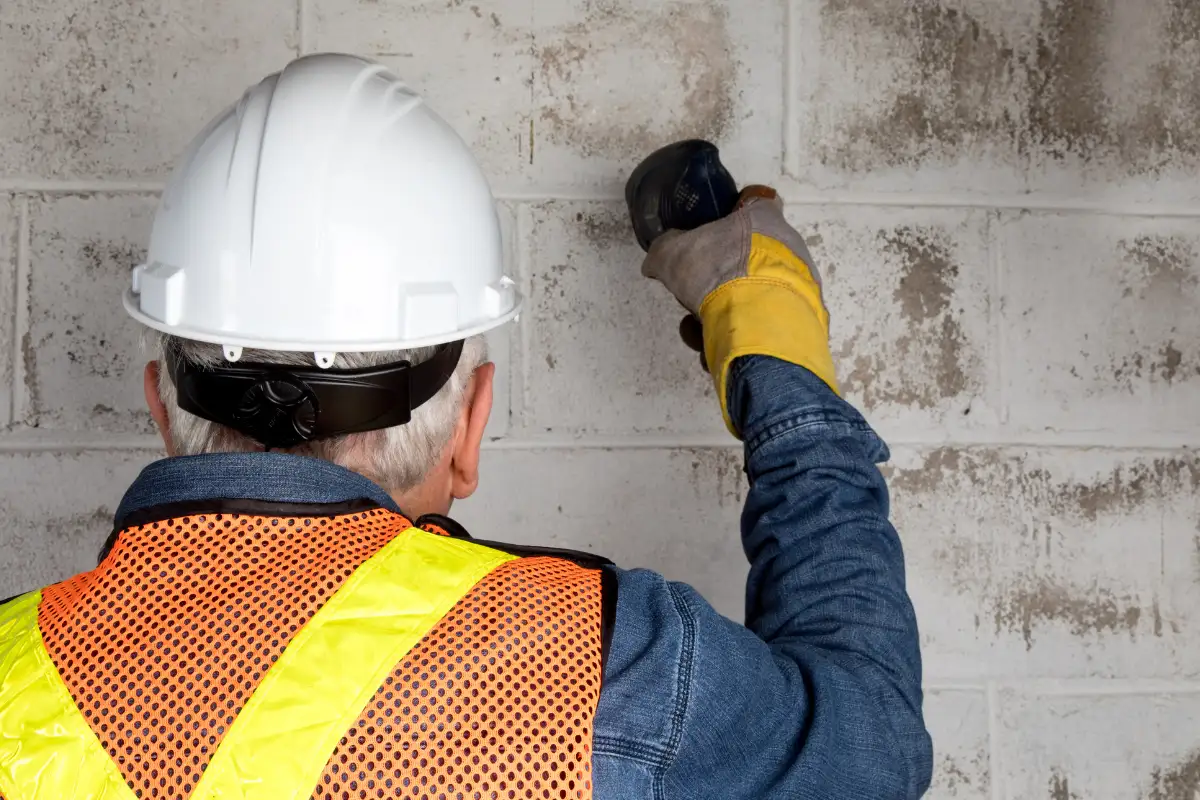
One of the most common questions we get from homeowners is, “how to fix damp walls permanently?” The answer depends on addressing the root cause rather than simply covering up the symptoms.
Some more permanent solutions may include:
- Installing a new damp proof course
- Repairing gutters and downpipes
- Repointing damaged masonry
- Improving ventilation
- Installing damp proof membranes
- Applying tanking systems
- Resolving plumbing leaks
The most effective approach combines diagnosis, repair, and preventative maintenance. So, if you’re wondering how to fix damp walls, professional surveys often provide the clearest path to a lasting solution.
Damp Proofing Walls Cost in Ireland
The cost of damp proofing walls varies depending on the severity of the problem and the treatment required. While minor repairs may cost only a few hundred euro, more extensive rising damp treatments or tanking systems can cost significantly more. We recommend obtaining a professional survey as the best way to receive an accurate quotation.
Here are some additional factors affecting costs:
- Size of the affected area
- Type of damp
- Accessibility
- Extent of repair work
- Choice of damp-proofing system
How to Remove Dampness from Walls
Learning how to treat dampness in walls properly can prevent recurring issues and protect your property’s value. Many homeowners ask our advice on how to remove dampness from walls, but it’s important to remember that drying the wall alone won’t solve the issue.
To successfully remove dampness from walls, you should:
- Identify the moisture source
- Repair any building defects
- Improve ventilation
- Install appropriate damp-proofing measures
- Remove damaged finishes
- Allow sufficient drying time
FAQs
How do I know if I have rising damp or condensation on my wall?
Rising damp usually affects lower sections of walls and often causes tide marks and salt deposits. Condensation is more likely to appear in corners, around windows, and in poorly ventilated rooms.
Can I damp proof a wall yourself?
Some minor repairs and condensation control measures can be carried out by homeowners. However, rising damp and structural moisture issues often require specialist assessment and treatment.
How long does damp proofing a wall last?
A professionally installed damp-proofing system can last for decades, with many modern DPC systems designed to provide long-term protection when correctly installed.
How much does it cost to damp proof a wall in Ireland?
Costs vary depending on the extent of the problem and the treatment method. Professional surveys provide the most accurate pricing information.
Do I need to remove plaster before damp proofing a wall?
In many cases, yes. Damaged or contaminated plaster may need to be removed to allow proper treatment and prevent residual moisture problems.
What Irish building regulations apply to damp proofing?
Part C of the Irish Building Regulations covers resistance to moisture and includes requirements relating to damp proof courses, damp proof membranes, and moisture control within buildings.
How to Stick a Damp Proof Membrane to a Wall?
Most membrane systems are mechanically fixed using specialist plugs and fixing systems. Installation methods vary by manufacturer, so always follow the product guidelines.
What are the Common DPM Mistakes?
Common mistakes include:
- Poor wall preparation
- Failing to address the source of moisture
- Incorrect sealing of joints
- Installing over damaged surfaces
- Inadequate ventilation after installation
Avoiding these errors helps ensure the long-term success of your damp proofing walls project and provides effective protection against future moisture problems.
