
Last Updated on June 10, 2026 by Feargal
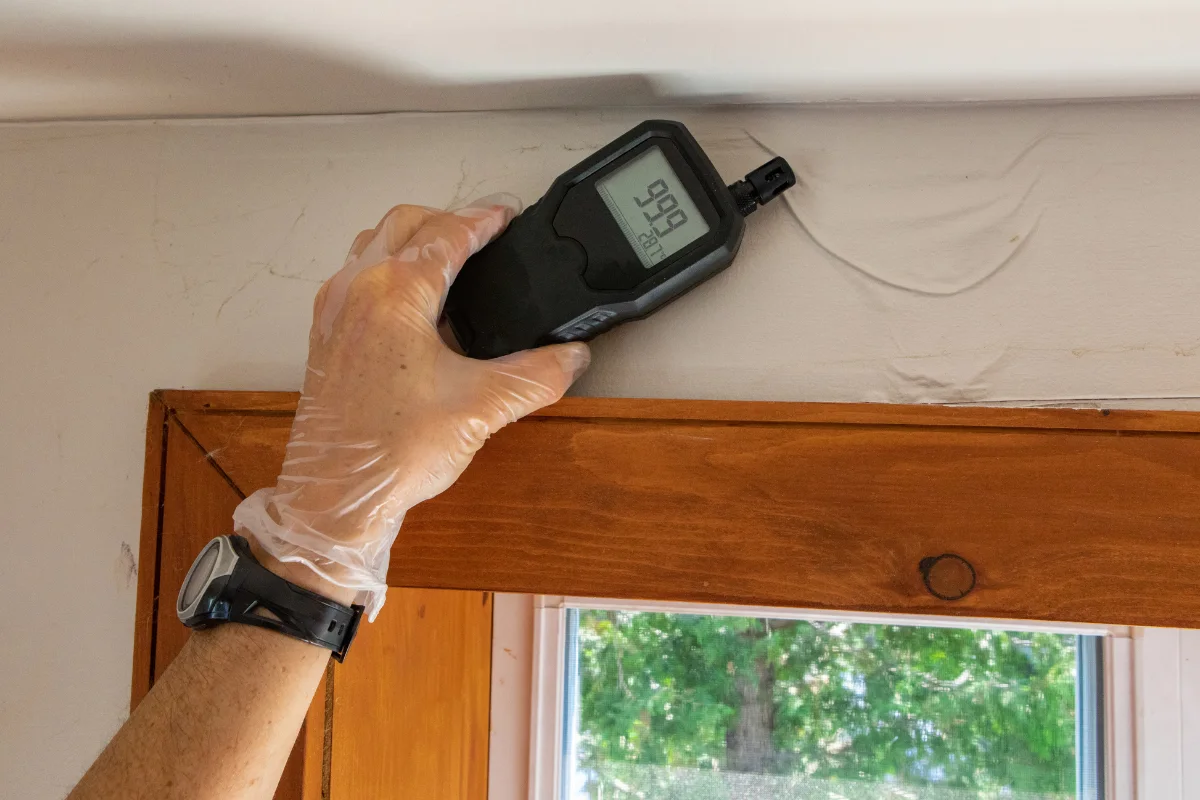
Within your home, have you ever noticed peeling paint, musty smells, or damp patches appearing on the walls? Thanks to Ireland’s wet climate and frequent rainfall, damp is one of the most common issues affecting homeowners across the country. Understanding what is damp proofing, how it works, and when it’s needed can help you safeguard your property from the costly damage of persistent moisture problems. Whether you’re building a new home or renovating an older property, this guide covers everything Irish homeowners need to know about dampness protection, damp treatment, and preventing damp from taking hold.
What Is Damp Proofing?
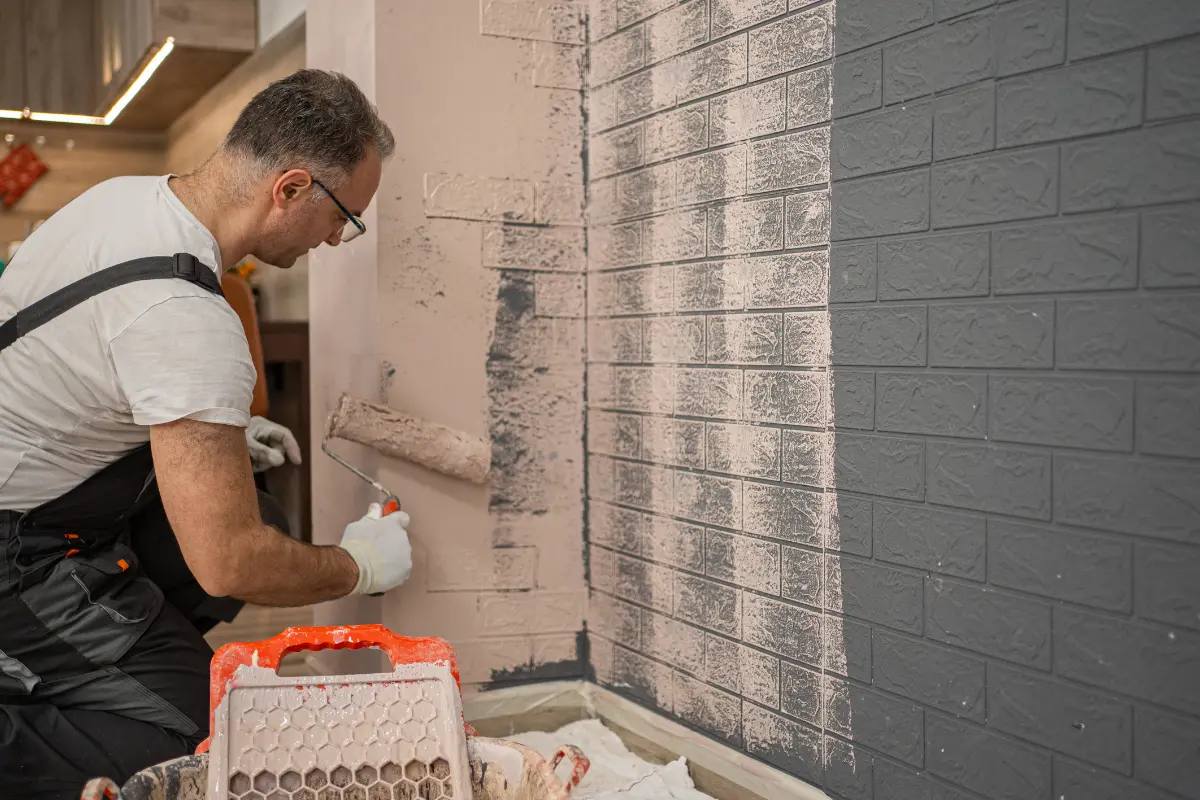
Damp proofing refers to a range of methods used to prevent moisture from entering a structure through its walls, floors, and foundations. The primary goal is to create a functional barrier that stops water from travelling through construction materials and causing major structural damage. In simple terms, how does damp proofing work? It creates a physical or chemical barrier that prevents moisture from moving throughout your home.
Investing in effective damp prevention helps protect your home’s structure, improves the indoor air quality, and reduces the risk of hazardous mould growth. Depending on the source of the moisture, damping treatment may involve the installation of a damp proof course, a damp proof membrane, added and improved ventilation, or specialist waterproof coatings.
Why Is Damp Such a Problem in Irish Properties?
While seasonal variations are evident, rain is fairly consistent year-round, making Ireland so famously green. However, this lush climate creates ideal conditions for damp. High levels of rainfall, humidity, and fluctuating temperatures mean many homes are continuously exposed to moisture.
Older Irish properties can be particularly vulnerable due to ageing materials, missing damp barriers, and/or poor ventilation. Even newer homes may experience condensation-related issues if moisture is unable to escape.
If left untreated, damp can lead to:
- Mould and mildew growth
- Damage to plaster and paintwork
- Rotting timber
- Reduced energy efficiency
- Unpleasant odours
- Potential health concerns linked to poor indoor air quality
This is why early damp treatment is often far more cost-effective than waiting until major repairs are needed.
The Three Main Types of Damp in Buildings
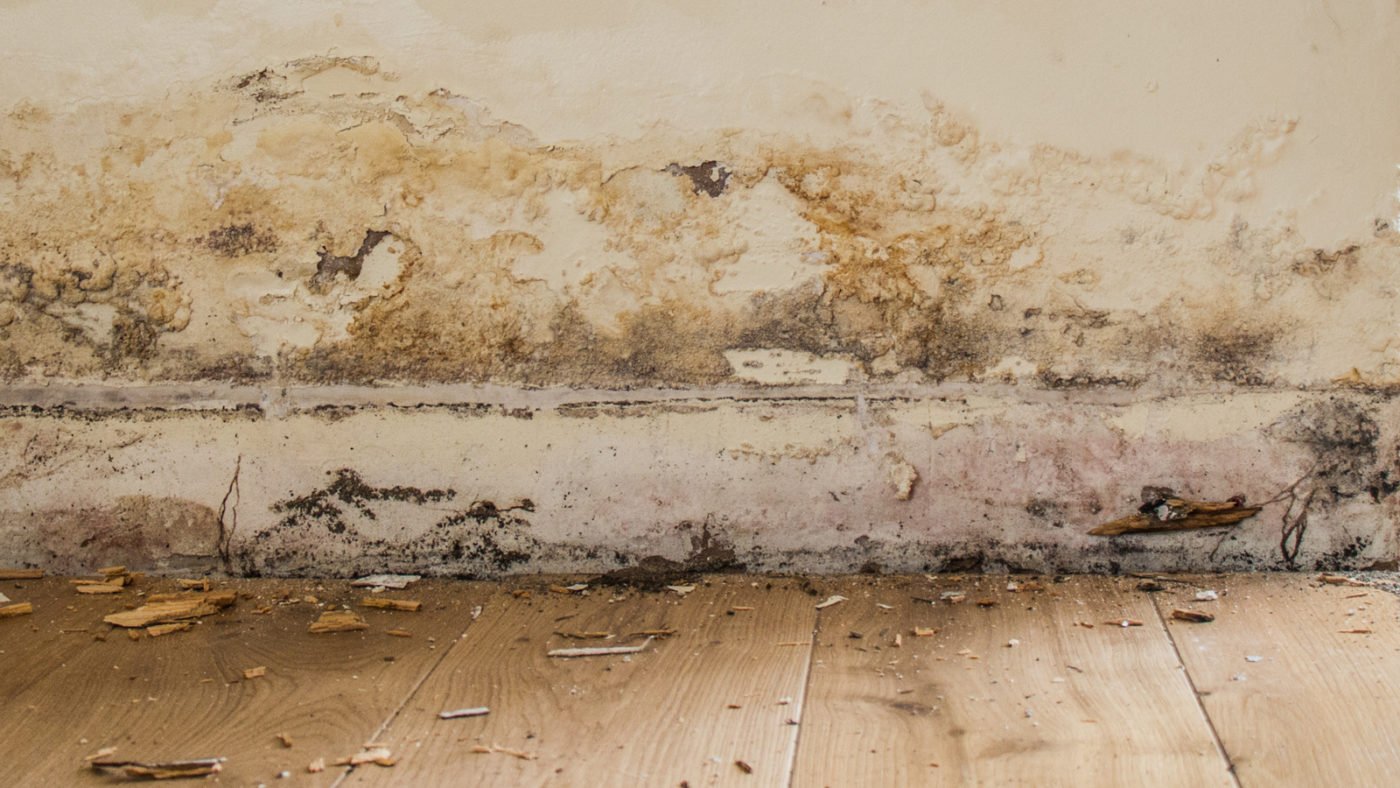
Understanding the source of moisture is the first step in choosing the right solution.
Rising Damp
Rising damp occurs when groundwater moves upward through walls by capillary action. This typically affects ground-floor walls and is often associated with a failed or missing damp proof course.
Common signs are as follows:
- Tide marks on walls
- Crumbling plaster
- Salt deposits
- Damp skirting boards
Penetrating Damp
Penetrating damp happens when water enters a building through defects such as cracked masonry, damaged roofing, leaking gutters, or faulty pointing. Unlike rising damp, penetrating damp can occur at any height within a property and is usually linked to external building defects.
Condensation Damp
Condensation Damp is one of the most common forms of damp found in Irish homes, it occurs when warm, moisture-laden air comes into contact with colder surfaces such as windows and walls. Bathrooms, kitchens, and poorly ventilated rooms are particularly susceptible to condensation.
Signs include:
- Water droplets on windows
- Black mould growth
- Persistent musty smells
- Damp patches in corners
What Is a Damp Proof Course (DPC)?
If you’ve searched for what is DPC, what is a damp proof course, or what is DPC in construction, the answer is, it’s a moisture barrier designed to stop rising damp. More specifically, a damp proof course is a horizontal barrier installed within walls to prevent moisture from rising from the ground into the structure of a building.
Modern DPC materials are typically made from plastic, bitumen, slate, or specialised chemical compounds.
Types of Damp Proof Course
Several types of DPC are used in Irish construction:
- Physical DPC membranes
- Bituminous felt DPC
- Plastic DPC systems
- Chemical injection DPC
- Engineering brick DPC
The most suitable option depends on the age and construction of the property.
What Is DPC Used For?
Many homeowners wonder, what is DPC used for? Without a functioning DPC in construction, moisture can gradually damage walls, timber, and decorative finishes.
A DPC is used to:
- Prevent rising damp
- Protect internal finishes
- Reduce mould growth
- Improve building durability
- Maintain structural integrity
What Is a Damp Proof Membrane (DPM)?
While a damp proof course protects walls, a damp proof membrane protects floors. Through the installation of a waterproof membrane that’s installed beneath concrete floor slabs, ground moisture is stopped before it has the chance to enter the building.
DPMs are commonly made from heavy-duty polyethylene sheeting and are often installed during construction.
DPC vs DPM: What’s the Difference?
| Feature | Damp Proof Course (DPC) | Damp Proof Membrane (DPM) |
|---|---|---|
| Location | Installed in walls | Installed beneath floors |
| Purpose | Prevents rising damp in walls | Prevents moisture entering through floors |
| Material | Plastic, slate, bitumen, chemical systems | Polyethylene membrane |
| Application | Horizontal wall barrier | Floor moisture barrier |
| Primary Use | Wall protection | Floor protection |
Understanding the difference between DPC and DPM is important because both systems often work together to provide complete moisture protection.
How Does Damp Proofing Work?
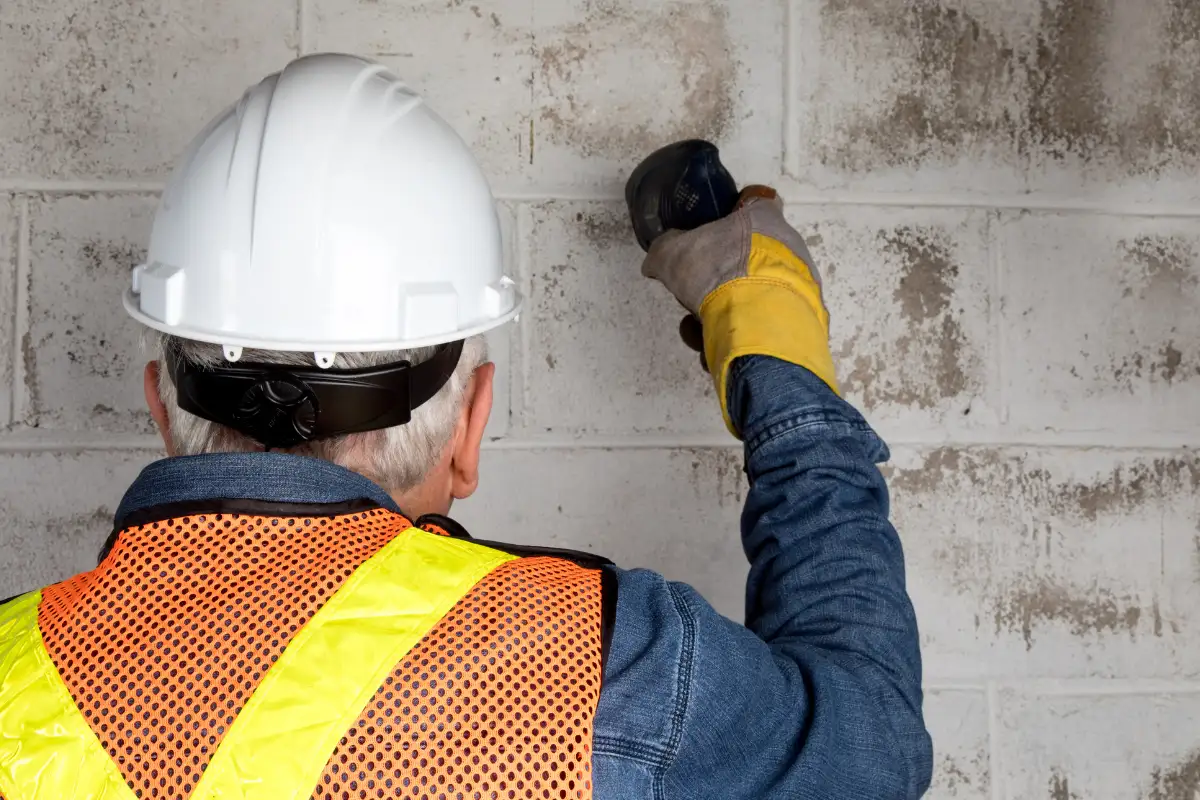
Damp proofing works by interrupting the path that moisture takes when moving through building materials. Depending on the cause of the damp problem, solutions may include:
- Installing a new damp proof course
- Applying chemical DPC injections
- Installing a damp proof membrane
- Improving drainage
- Repairing masonry defects
- Increasing ventilation
- Applying specialist waterproof coatings
Here at The Damp Store, we help to provide professional assessments to identify the source of moisture and recommend the most effective damp treatment strategy.
Signs Your Irish Home May Need Damp Proofing
You may need damp proofing if you notice:
- Peeling wallpaper
- Bubbling paint
- Damp patches on walls
- Musty odours
- Mould growth
- Cold or clammy walls
- Salt deposits on plaster
- Damaged skirting boards
Addressing these warning signs early can help prevent more extensive repairs later.
Damp Proofing vs Waterproofing
Although the terms are sometimes used interchangeably, damp proofing and waterproofing are not the same thing. While damp proofing is designed to resist moisture penetration under normal conditions, waterproofing provides a higher level of protection and is intended to prevent water ingress even under hydrostatic pressure. That said, for most residential properties, damp proofing provides adequate dampness protection, while basements and below-ground structures may require full waterproofing systems.
Damp Proofing and Irish Building Regulations
Irish building regulations require buildings to be constructed in a way that prevents excessive moisture penetration. Part C of the Building Regulations addresses site preparation and resistance to moisture, including requirements for appropriate damp proof courses and damp proof membranes. This helps ensure buildings remain safe and durable throughout their lifespan.
How to Choose a Damp Proofing Contractor in Ireland

When selecting a damp proofing specialist, consider:
- Experience with Irish properties
- Positive customer reviews
- Detailed property surveys
- Written quotations
- Insurance coverage
- Product warranties
- Knowledge of Irish building regulations
Keep in mind that a reputable contractor should identify the source of the damp before recommending any treatment.
FAQs
What is the difference between a DPC and a DPM?
A DPC protects walls from rising damp, while a DPM prevents moisture from entering through floors. Both are essential components of modern moisture control systems.
How long does damp proofing last?
Many homeowners ask, how long does damp proofing last? A properly installed damp proof course or damp proof membrane can last several decades, often matching the lifespan of the building itself. Chemical DPC systems typically carry long-term guarantees when professionally installed.
Does my Irish home need damp proofing?
If your property shows signs of rising damp, penetrating damp, or condensation issues, professional damp proofing may be required. Older homes are particularly likely to benefit from assessment and treatment.
Is damp proofing required under Irish building regulations?
Yes, Irish building regulations include requirements for moisture resistance and typically require suitable DPC and DPM installations in new construction projects.
How much does damp proofing cost in Ireland?
Damp proofing costs vary depending on the size of the property, the extent of the damage, and the type of treatment required. A professional survey is the best way to obtain an accurate quotation.
What Does Damp Proofing Involve?
Damp proofing may involve installing or repairing a damp proof course, fitting a damp proof membrane, improving ventilation, repairing external defects, or applying specialist moisture-resistant treatments. The exact solution depends on the source and severity of the damp problem.
