
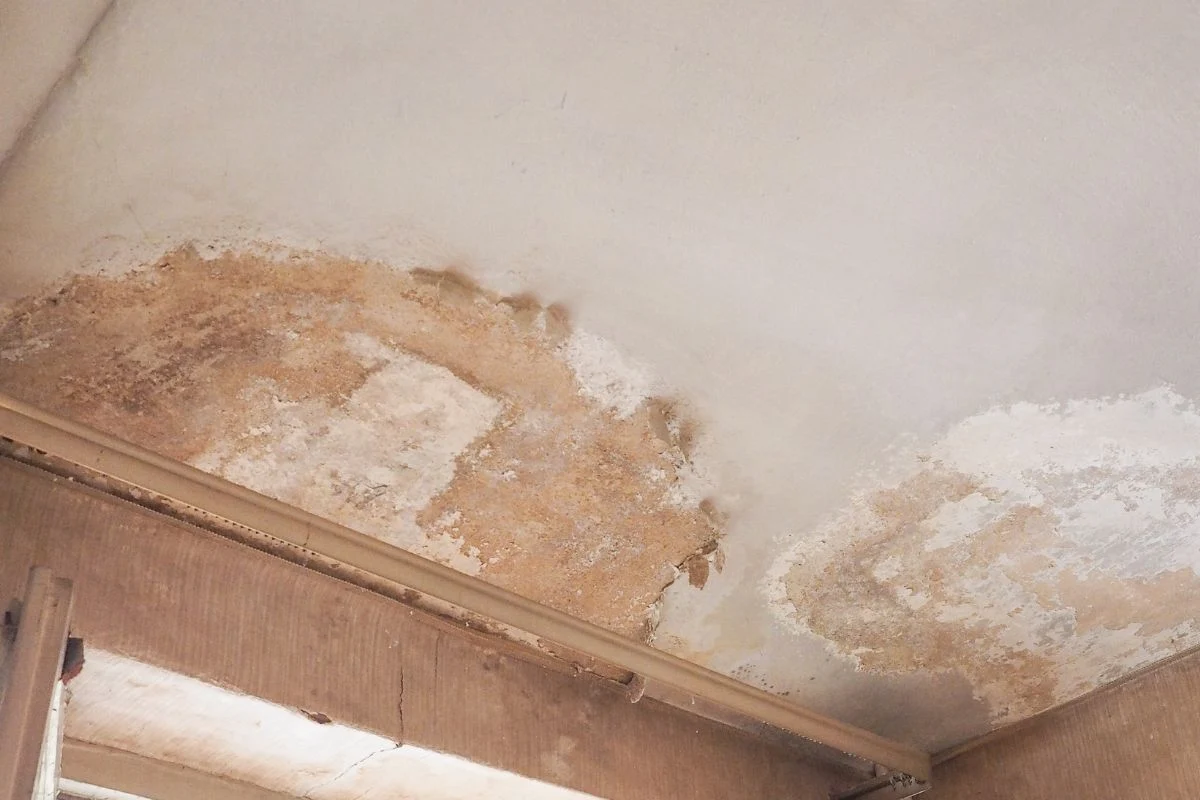
With Ireland’s mix of heavy rainfall, older homes, and unpredictable weather, it’s no surprise that damp is a problem many homeowners come across. From the first signs of a damp patch to more serious moisture issues, knowing what to look out for can make all the difference. The sooner you know what type of damp you’re dealing with, the sooner you can tackle it, which is why recognising the signs and using the right treatment can help keep your home dry, safe, and cosy all year round.
What Is Damp? Understanding the Basics
So, what is damp? Damp starts with one thing: unwanted moisture making its way into your home. Whether it affects your walls, ceilings, or floors, leaving it unchecked can lead to mould, musty smells, peeling paint, damaged plaster, and bigger damp problems down the line. While damp is often water entering your home from the outside, it can also be caused by everyday activities such as cooking, drying clothes, and showering.
The 3 Main Types of Damp
There are three main types of damp commonly found in Irish homes:
- Rising damp
- Penetrating damp
- Condensation damp
Each type has different causes and requires a different approach when it comes to treatment.
What Causes Rising Damp?
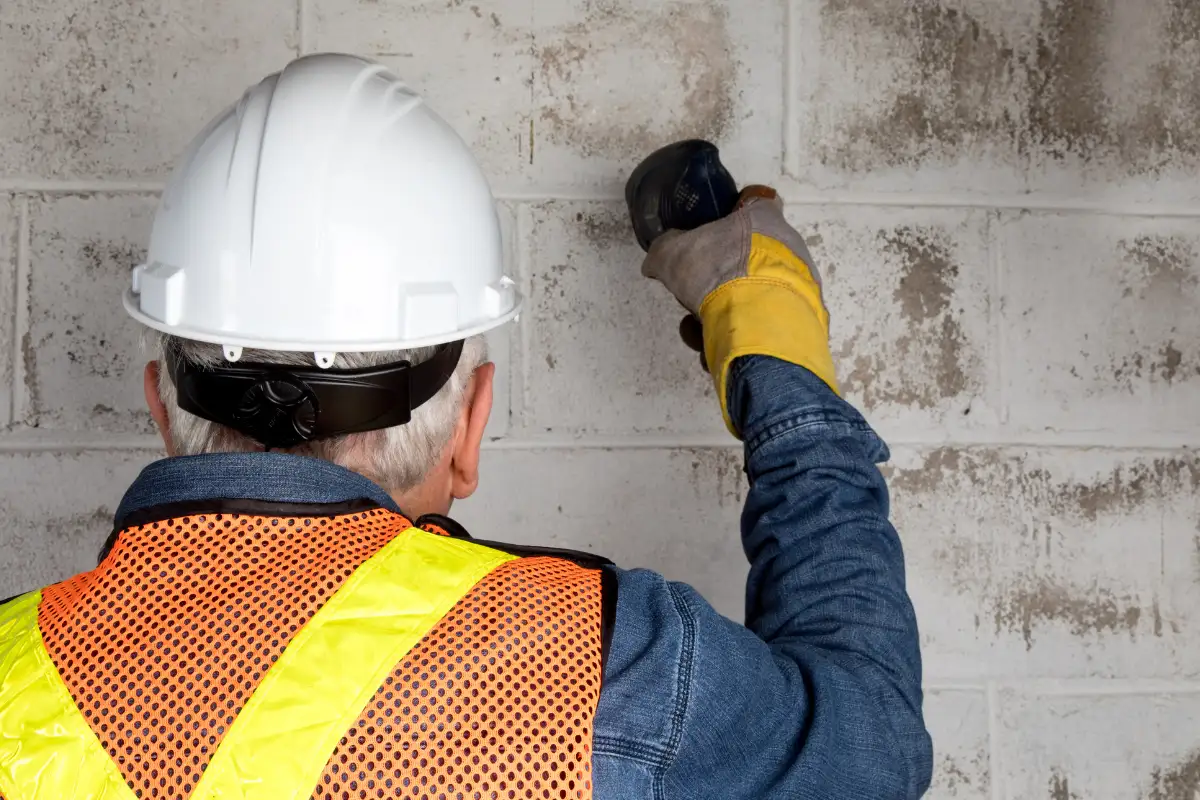
Rising damp occurs when moisture from the ground travels upwards through the walls of a property. This usually happens when a damp-proof course (DPC) is missing, damaged, or no longer working effectively. Older Irish homes are particularly vulnerable to rising damp, as some properties were built before modern damp-proofing methods became standard.
What Does Rising Damp Look Like?
Common signs of rising damp include:
- Damp patches on internal walls, especially near floors.
- Peeling wallpaper or flaking paint.
- White salt deposits (known as efflorescence) on walls.
- Damaged skirting boards.
- A musty smell in affected rooms.
Rising damp often appears as a tide mark pattern, with moisture gradually moving upwards from the base of the wall.
How to Treat Rising Damp
Treating rising damp usually involves repairing or replacing the damp-proof course and addressing any underlying issues with moisture entering the property. A professional damp assessment can help identify the cause and recommend the most suitable treatment. Depending on the severity, solutions may include installing a new damp-proof membrane, improving drainage, or repairing damaged areas.
What Causes Penetrating Damp?
Penetrating damp happens when water enters a property from the outside. This can be caused by problems like damaged roofs, leaking gutters, cracked render, faulty pipes, or gaps around windows and doors. Unlike rising damp, penetrating damp can affect walls at any height and is often linked to external building defects.
What Does Penetrating Damp Look Like?
Signs of penetrating damp may include:
- Damp patches on walls after heavy rain.
- Dampness on internal walls near external walls.
- Water stains or discolouration.
- Peeling paint or bubbling plaster.
- Mould growth in affected areas.
Additionally, the location of the damp patch can often provide clues. For example, damp appearing near a window may point to a leak around the frame.
How to Treat Penetrating Damp
The key to treating penetrating damp is finding and fixing the source of the water. This may involve repairing gutters, replacing damaged roofing materials, sealing cracks, or improving external protection. Once the cause has been fixed, affected walls can then be dried and repaired.
What Causes Condensation Damp?
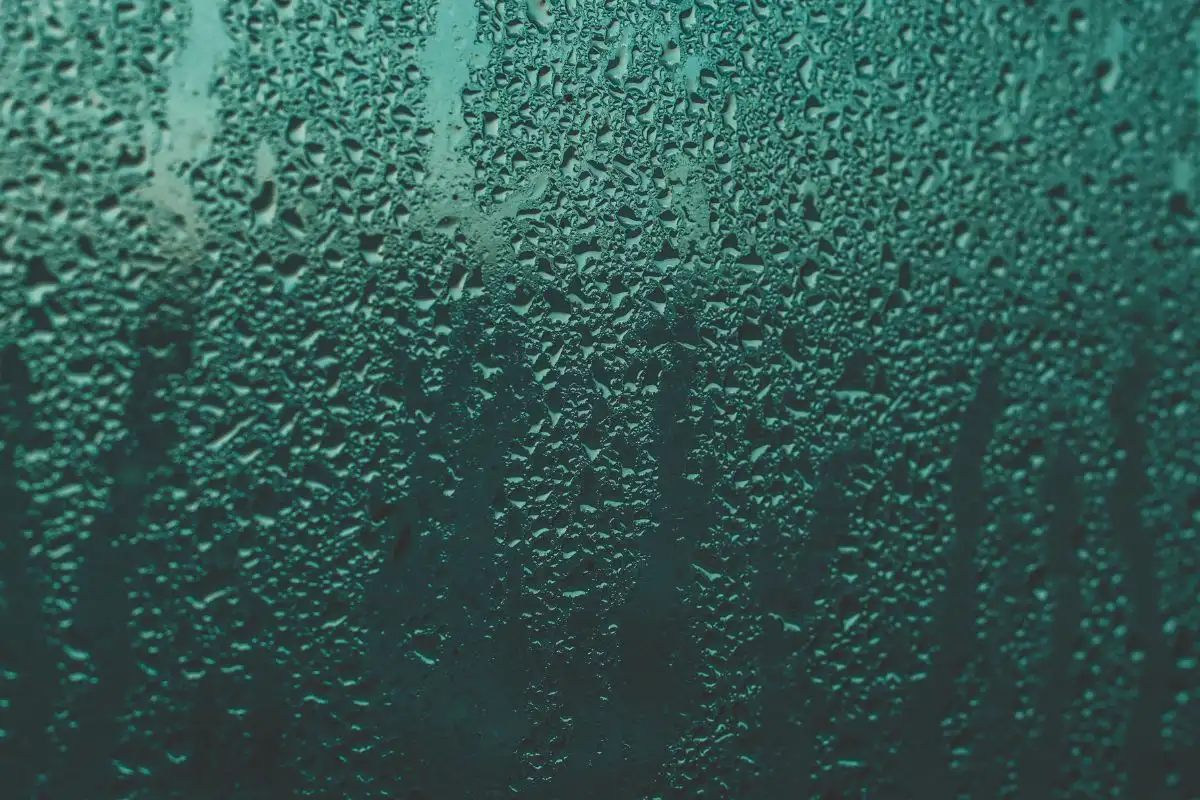
Condensation damp occurs when warm, moist air comes into contact with cold surfaces, causing water droplets to form. Everyday activities such as cooking, bathing, and drying clothes indoors can increase indoor humidity levels, especially in homes with limited ventilation.
What Does Condensation Damp Look Like?
Condensation damp often appears as:
- Black mould around windows, ceilings, and corners.
- Damp patches on internal walls.
- Water droplets on windows.
- A musty smell.
- Mould growth behind furniture.
If you notice dampness on internal walls, particularly in colder areas of the home, condensation could be the cause of this issue.
How to Treat Condensation Damp
Learning how to treat dampness caused by condensation starts with controlling moisture levels. Some helpful steps include:
- Improving ventilation with extractor fans or air vents.
- Using a dehumidifier where needed.
- Keeping rooms warm and evenly heated.
- Avoiding drying large amounts of laundry indoors without ventilation.
- Allowing air to circulate around furniture.
Reducing excess moisture can help prevent condensation damp from returning.
Other Types of Damp Problems to Know About

While rising damp, penetrating damp, and condensation damp are the most common, other damp issues can affect Irish homes.
- Plumbing leaks: Hidden leaks from pipes, bathrooms, or heating systems can create localised damp areas.
- Construction damp: Moisture left behind after building work, plastering, or renovations can take time to dry out.
- Basement or cellar damp: Below-ground areas can suffer from water ingress and poor ventilation.
How to Treat Damp
The best way to treat damp depends on the cause.
A proper approach involves:
- Identifying the source of moisture.
- Repairing any leaks, damage, or ventilation issues.
- Allowing affected areas to dry fully.
- Repairing and restoring damaged surfaces.
If you’re having issues determining what type of damp you have, a professional damp survey can help identify the cause and recommend the correct treatment.
FAQs
What are the three main types of damp?
The three main types of damp are rising damp, penetrating damp, and condensation damp. Each has different causes and requires different treatment methods.
How do I know what type of damp I have?
Look at where the damp appears, when it occurs, and what it looks like. Damp patches near floors may suggest rising damp, while damp after rainfall may indicate penetrating damp. Black mould and window moisture are common signs of condensation damp.
What is the most common form of damp?
Condensation damp is one of the most common forms of damp found in Irish homes, particularly in properties with poor ventilation or high indoor humidity.
When is the best time to treat dampness in Irish homes?
Damp can be treated at any time of year, but addressing damp problems early is always best. Leaving moisture untreated can lead to more serious damage over time.
Can damp cause health problems?
Damp and mould can affect indoor air quality and may contribute to respiratory irritation, allergies, and other health concerns, especially for sensitive individuals.
Is damp covered by home insurance in Ireland?
Coverage depends on your individual home insurance policy and the cause of the damp. Damage caused by sudden events, such as a burst pipe, may be covered, while long-term maintenance issues may not be.
How much does damp treatment cost in Ireland?
The cost of damp treatment varies depending on the cause, the size of the affected area, and the work required. A professional assessment is the best way to understand the total cost.
What Causes Dampness in Walls?
Dampness in walls can be caused by several issues, including rising groundwater, leaks, damaged exterior surfaces, poor ventilation, and condensation.
How do surveyors detect damp?
Surveyors use visual inspections, moisture meters, and their knowledge of building construction to identify signs of damp and determine the likely cause.
