

Last Updated on March 8, 2026 by Feargal
Rising damp is a common issue in many older Irish homes, especially those built before modern damp-proofing techniques were used. It occurs when moisture from the ground travels up through walls by capillary action, usually leading to damp patches and peeling paint. Since damp climates are common in these regions, it’s important to recognise and address rising damp early to avoid structural damage and mould growth.
Understanding the basics of rising damp can help homeowners spot problems quickly. Most modern buildings have a damp-proof course (DPC) or membrane installed to stop moisture rising, but if this barrier is missing or compromised, damp can travel up the walls. Rising damp usually appears up to about one metre from the ground and is frequently marked by tide lines or dark patches on the wall.
Common Signs of Rising Damp

Understanding what does rising damp looks like allows you to act before secondary structural issues, including dry rot or wet rot, destroy your timbers. Because it originates from the ground, the signs of rising damp are strictly localized to the ground floor.
- Tide marks or damp patches on walls: Look for horizontal damp lines or patches on internal ground-floor walls, typically up to one metre high.
- Peeling wallpaper or flaking paint: Moisture can cause decorations to bubble, peel or discolour, especially near the skirting board.
- Salts and efflorescence: White, chalky deposits (salts) may appear on walls as water evaporates, leaving mineral deposits behind.
- Crumbling or rotting timber: Skirting boards, window frames or floorboards may rot, warp or crumble if rising damp is present.
- Musty or mouldy smell: A stale, damp odour often accompanies rising damp, along with visible black or green mould in affected areas.
- Dampness at floor level: Carpets, tiles or baseboards may feel damp to the touch due to moisture migrating from the ground.
Spotting these early warning signs can prevent more extensive damage. If you notice any of these symptoms, consider getting a professional damp survey or advice for an accurate diagnosis.
Causes of Rising Damp
Property owners frequently ask us: What causes rising damp? The fundamental answer lies in a physical process called capillary action. Groundwater is naturally drawn upward against gravity through the microscopic pores of porous building materials like brick, stone, and mortar.
- Absent or failed damp-proof course (DPC): Many older properties were built without a DPC. Even if present, a DPC can fail if it’s damaged by building works or natural wear.
- Bridging by ground levels: Garden soil, patios, driveways or paths built too high can sit above the DPC, allowing moisture to bypass the barrier.
- Cracks and gaps: Structural cracks, loose mortar joints, or missing external render at the base of walls let ground moisture seep into the building.
- Poor drainage: Blocked gutters, downpipes, or drains may cause water to pool near foundations, increasing moisture uptake.
- High water table: In areas with naturally high groundwater or after heavy rain, more moisture can rise through the foundation.
- Construction defects: Mistakes such as trapped moisture in new floor slabs or improper wall tie installations may also lead to rising damp.
Knowing these causes helps in choosing the right treatment. Typically, fixing rising damp involves addressing structural issues and installing an effective moisture barrier in the walls.
Treating Rising Damp
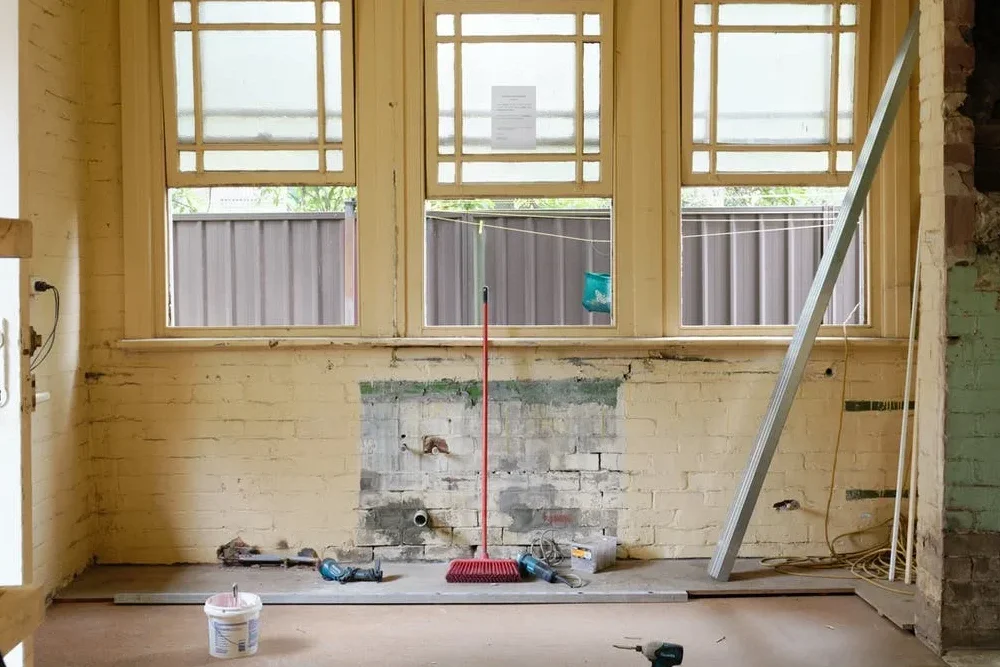
When figuring out how to fix wall dampness, avoid cheap DIY waterproof paints. Trapping moisture behind impermeable sealants will only push the water higher and accelerate decay. Treating rising damp requires a technically sound dampening solution.
- Professional damp-proofing: Specialists often inject a chemical damp-proof course into the wall. This creates a new horizontal barrier that stops moisture from rising through capillary action.
- Lower external ground level: Remove excess soil, decking or paving that sits above the DPC level to prevent moisture from bridging the barrier.
- Replastering with permeable materials: After installing a new DPC, remove damaged plaster and install a breathable plaster or render that allows salts to leach out without damaging new finishes.
- Improve ventilation and heating: Ensure good air flow and adequate heating in ground floors and basements. Air bricks, extractor fans or dehumidifiers can help keep walls dry.
- Temporary waterproof coatings: Special sealants or waterproofing paints can temporarily prevent moisture ingress, but they are not a substitute for a proper DPC.
- Routine maintenance: Regularly inspect gutters, downpipes, and the ground level around your home. Preventive maintenance can prevent damp issues from getting worse.
Treating rising damp properly ensures your walls stay dry and your home remains healthy. DIY measures might help in the short term, but it’s often best to consult a qualified damp specialist for a permanent fix.
Preventing Rising Damp
- Maintain your DPC and damp-proof membrane: Keep the area around the base of your walls clear. Avoid piling soil or adding hard landscaping too close to the wall.
- Manage water runoff: Ensure gutters and downpipes divert rainwater well away from the foundations. Consider soakaways or drains to handle excess water.
- Regular home checks: Inspect your walls, skirting boards and flooring annually. Early signs of damp or rot should be dealt with before they worsen.
- Improve home ventilation: Keep air circulating in cellars and basements. Proper ventilation or damp-proof membranes under ground floors can help control moisture levels.
- Use moisture-resistant finishes: On walls where damp is known to occur, use salt-resistant plaster or damp-proof paint to protect finishes.
By combining structural solutions with good home maintenance, rising damp can be successfully controlled and largely prevented. A dry home is not only more comfortable but also healthier and more energy-efficient.
Rising Damp Treatment Cost in Ireland
Many property owners worry about the rising damp treatment cost. However, leaving the problem untreated will bring about catastrophic consequences down the line. Ignoring the causes of damp allows moisture to incubate, leading to dry rot, destroying floor joists, and plummeting your property’s market value. While exact costs vary depending on the linear meterage and the extent of the collateral plaster and timber damage, investing in a guaranteed, professional damping treatment is the solely cost-effective way to preserve your home.
Do not let dampness compromise your property’s integrity, your family’s health, or your peace of mind. If you are spotting signs of rising damp and need to know how to deal with damp walls effectively, our expert team is here to assist. Contact The Damp Store today to book a comprehensive damp and timber survey, and make the first decisive step toward a dry, healthy, and fully protected property.
FAQs
What is rising damp?
Rising damp is when moisture from the ground soaks up through the walls. It happens if the damp-proof course (the built-in barrier) is damaged or missing, so bricks and mortar act like a sponge.
What causes rising damp?
Rising damp occurs when groundwater seeps into the walls. This often occurs when the damp-proof course (DPC) fails, for example, if it’s old, broken, or covered by soil, paving, or decking. Extended heavy rain or flooding can also push moisture up into the walls. In simple terms, any defect or blockage in the DPC allows ground moisture to travel upwards.
What are the signs of rising damp?
Common signs include damp or dark patches on walls near the floor. You might see a horizontal tide mark (often about 1 metre high) with white salt deposits on the wall, peeling or blistering wallpaper and paint, or flaking plaster. Woodwork, such as skirting boards, may rot or swell, and there may be a musty, mouldy smell in the room. These are typical rising damp indicators.
How do I fix rising damp?
Fixing rising damp usually needs a professional. They inject damp-proofing cream or repair the DPC to block moisture. Damaged plaster, paint, or woodwork is then replaced and the wall is left to dry. This work should be done by a qualified damp proofing specialist.
How much does treatment for rising damp cost?
Treatment costs depend on house size and work needed. Chemical injection may cost a few hundred pounds per wall; a new damp-proof course for an entire house can cost several thousand. Get quotes from damp-proofing experts for accurate pricing.
How can I prevent rising damp?
To prevent rising damp, keep soil and landscaping below the damp-proof course (DPC). Make sure gutters and drains are clear, and that water is directed away from walls. Regularly check for cracks or damage, and repair the DPC if needed. Good drainage and a working DPC are key to preventing water damage.
Can I fix rising damp myself?
Serious rising damp is usually best left to professionals. There are DIY damp-proof injection kits, but they often don’t solve the underlying problem. Installing or repairing a damp-proof course and correctly re-plastering walls takes skill and equipment. A certified damp-proofing specialist can diagnose the cause and ensure the treatment (such as injections or a new DPC) is carried out correctly for a long-term fix.
