
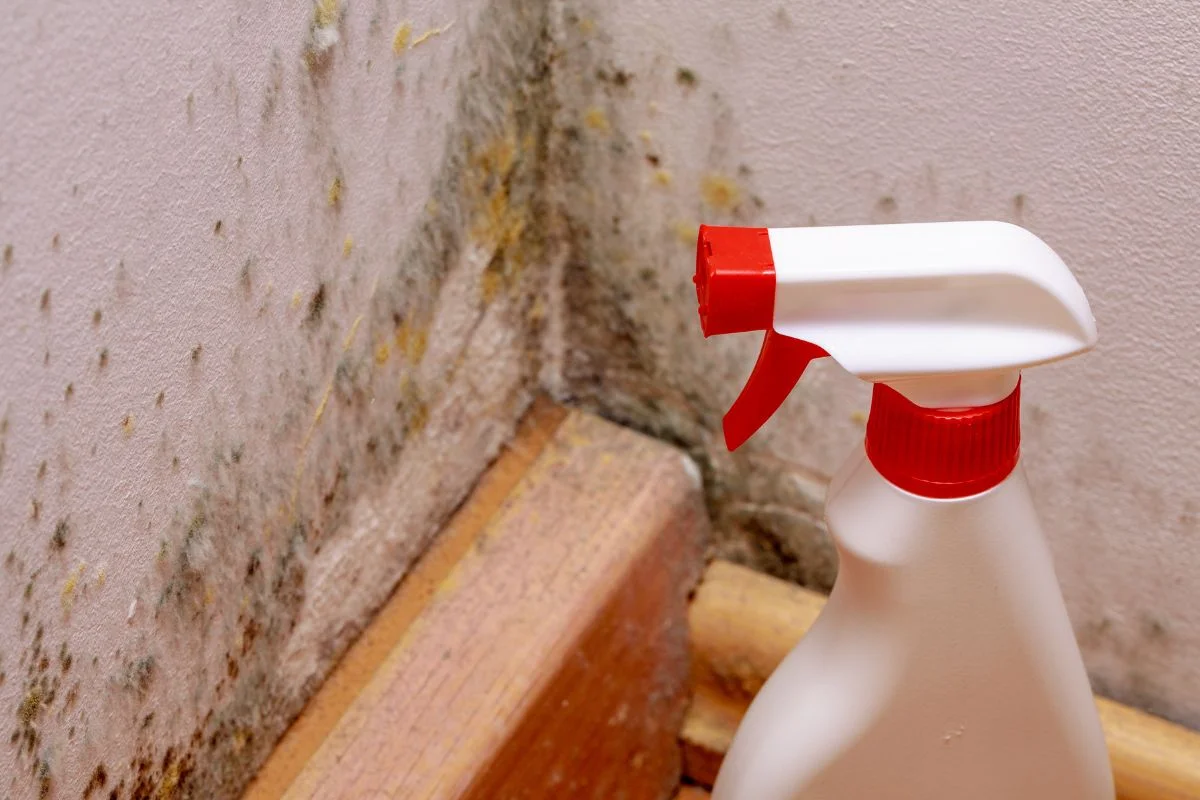
If you’ve noticed mould appearing on a bedroom wall, around a window or behind the wardrobe, you may be wondering how to get rid of it properly and stop it from coming back. In Irish homes, mould is often more than a cleaning issue. Persistent moisture, condensation, poor ventilation or an underlying damp problem can all be at play. However, the good news is that removing mould from walls properly is possible, and the trick is to deal with both the visible mould and the moisture causing it in the first place.
What Causes Mould on Walls in Irish Homes?
Condensation and Poor Ventilation
One of the most common answers to “what causes mould on walls?” is condensation. Everyday activities such as showering, cooking, drying clothes, and even breathing release moisture into the air. When warm, damp air meets a cold wall, that moisture can settle as condensation and create the ideal conditions for mould growth. This is particularly common in bathrooms, bedrooms, and kitchens where ventilation is limited.
Ireland’s Climate and Older Housing Stock
Ireland’s cool, damp weather makes moisture management a challenge, particularly during the colder months. Since older homes may also have solid walls, there may be limited insulation or outdated ventilation, which leaves some surfaces colder than others. This combination can create cold spots where condensation forms more readily. If you live in an older Dublin-area property, don’t assume recurring mould is simply down to not cleaning often enough.
Rising Damp, Penetrating Damp and Leaks
Moisture can also enter a home from outside or rise up through the structure. This includes a leaking gutter, damaged roof, faulty plumbing or defective external walls, all contributors to a damp issue. Further, rising damp generally affects the lower sections of walls, while penetrating damp can appear wherever water is getting through the building fabric. Additionally, a leak may produce a localised damp patch that continues to return even after the mould has been cleaned.
Black Mould vs Green Mould on Walls
Seeing green mould on walls or dark, almost black patches can be alarming, but colour alone does not tell you exactly what type of mould you have or how dangerous it is. Since mould is a fungus that grows where there is sufficient moisture, different species can appear black, green, white, grey or other colours, and the same home can have more than one type. An important thing is not to focus solely on whether the mould is black or green, but why it is growing. If mould is concentrated around windows, in corners or behind furniture, condensation is a strong possibility. Moreover, if you have a damp patch, peeling finish, or staining that seems to spread from outside or from the floor upwards, there may be a building-related moisture problem.
Here at The Damp Store, we advise keeping homes dry and well ventilated, using extractor fans or opening windows when showering or cooking, and reaching out to our team for help professionally dealing with damp and condensation. So, whether you’re getting rid of mould on walls in a Dublin terrace, semi-detached house or apartment, identifying the moisture source is just as important as cleaning the surface.
How to Get Rid of Mould on Walls (Step by Step)
What You’ll Need
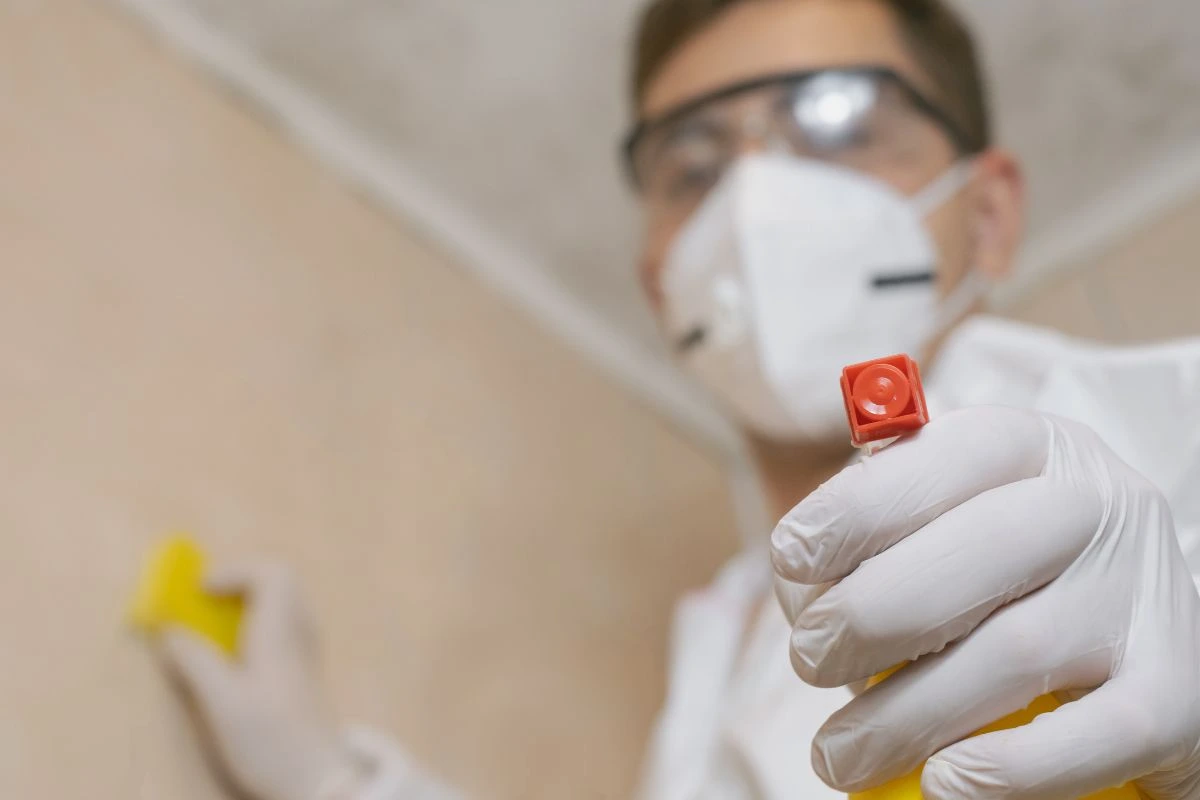
For a small area of surface mould, you’ll generally need:
- Gloves and suitable eye protection
- A cleaning cloth or disposable cloths
- A suitable mould-cleaning product
- A bucket of clean water
- Good ventilation
- Protective coverings for nearby furniture and flooring
Be sure to avoid aggressively scrubbing dry mould, as this can disturb spores. Follow the instructions on whatever cleaning product you use and never mix different cleaning chemicals.
Best Way to Remove Mould From Walls
The best way to remove mould from walls is to clean the affected area carefully, allow it to dry thoroughly and then address the moisture problem. If you’re learning how to clean mould off walls, don’t simply wipe the surface and walk away. Clean the affected area according to the product instructions, remove residue where appropriate, and allow the wall to dry completely.
Additionally, for larger areas, extensive growth or recurring mould, professional mould treatment for walls may be more appropriate than repeated DIY cleaning.
Natural & Non-Toxic Options
Some homeowners prefer gentler cleaning approaches, particularly for small areas. However, “natural” does not automatically mean effective against every mould problem. Whatever method you choose, the goal is the same: remove the visible growth safely and, more importantly, stop the wall staying damp.
How to Remove Mould from Painted Walls Without Damaging the Paint
Spot-Test First
If you’re wondering how to remove mould from painted walls without damaging paint, start small by testing your chosen cleaning solution on an inconspicuous area. Some products can affect paint colour, sheen or finish, especially on older or delicate coatings. Moreover, the same principle applies when learning how to clean mould from painted walls: gentle, controlled cleaning is preferable to aggressive scrubbing.
Safe Products for Painted, Papered and Plastered Surfaces
Painted, papered, and plastered surfaces can react differently to moisture and cleaning products. Wallpaper, in particular, may not tolerate heavy wet cleaning. This is why, for valuable, historic or heavily affected surfaces, professional advice is sensible. A specialist can determine whether the material can be cleaned or whether damaged sections need repair or replacement.
Never Paint Over Mould
Painting over mould might be quicker and make the wall look better for a short while, but it does not solve the underlying problem. If moisture remains, the mould can and will return through or around the new coating. This is why proper wall treatment for mould is best to address the source of moisture first, followed by suitable cleaning and repairs.
How to Stop Mould on Walls From Coming Back for Good
Ventilation
Good ventilation is one of the simplest ways to prevent mould from taking hold on your walls. Use extractor fans in the bathroom and kitchen, keep air vents clear, and allow fresh air to circulate through your home regularly.
Humidity and Heating Habits
We always recommend to customers and followers that they should avoid drying clothes indoors where possible, particularly in poorly ventilated rooms. When showering or cooking, it’s best to use an extractor or open a window where appropriate. To add, try to maintain a reasonably consistent indoor temperature rather than allowing rooms to become very cold for long periods. The aim is to reduce cold surfaces where condensation can form.
Insulation and Cold Bridging
If mould repeatedly appears in the same corners or around external walls, cold bridging could be contributing. Improving insulation can help, but insulation and airtightness improvements should be considered alongside adequate ventilation.
When Cleaning Isn’t Enough: Signs It’s Actually Damp
If mould keeps returning despite regular cleaning, it could be a sign that there’s an underlying damp problem that needs to be identified and addressed.
Warning Signs to Watch For
Cleaning may not be enough if you notice:
- Mould repeatedly returning in exactly the same area
- Damp or discoloured patches that remain after cleaning
- Peeling paint, blistering or crumbling plaster
- A musty smell that persists
- Dampness concentrated along the bottom of a wall
- Water staining around ceilings, windows or external walls
- Mould appearing after rainfall or following plumbing problems
It helps to understand the difference between the four common problems:
- Mould: the visible fungal growth itself.
- Condensation: moisture from indoor air collecting on cold surfaces, often causing mould around windows, corners and cold external walls.
- Rising damp: moisture moving upwards from the ground through parts of a building, typically affecting lower sections of walls.
- Penetrating damp: water entering through the building from outside, often because of defects involving roofs, gutters, walls, windows or other external elements.
If the issue is actually damp, knowing how to wash mould off walls won’t solve the root cause.
Why a Professional Survey Matters
A professional survey from The Damp Store can help establish whether you’re dealing with condensation, rising damp, penetrating damp, a leak or a combination of problems. It matters because the right treatment depends on the cause, and you may need ventilation improvements, plumbing repairs, external maintenance, insulation work or specialist damp treatment rather than another round of surface cleaning.
FAQs
Does bleach kill mould on walls, or just hide it?
Bleach can disinfect some surfaces, but it is not a substitute for removing the moisture source. Using it without addressing damp or condensation can leave you with the same problem later.
Why does mould keep coming back after I’ve cleaned it?
Usually because the conditions allowing it to grow are still present. Poor ventilation, condensation, cold surfaces, leaks and damp can all cause recurring mould.
Is mould or damp covered by home insurance in Ireland?
It depends entirely on your policy and the cause of the damage. Irish home insurance commonly covers certain types of sudden water damage, but wear and tear and some forms of ongoing water damage may be excluded. Check your policy and contact your insurer promptly if you believe you have a claim.
How long does it take to get rid of mould on walls for good?
Cleaning a small patch can be relatively quick, but getting rid of mould permanently depends on fixing the cause. If damp or ventilation problems need repairs, the complete process can take considerably longer.
Can I remove mould myself, or do I need a professional?
Small areas of surface mould may be manageable yourself. If mould is extensive, keeps returning, affects porous materials or appears alongside signs of damp, professional help is always best.
How dangerous is black mould to my health?
Mould can release spores that may trigger allergic reactions and can aggravate respiratory symptoms in some people. We recommend keeping homes dry and well ventilated and dealing with mould and damp.
How do you get rid of black mould on painted walls?
Clean the affected area using a suitable product and follow its instructions, but don’t stop there. Check for condensation, poor ventilation or damp. If the mould returns, investigate the underlying moisture problem rather than repeatedly cleaning the paint.
What kills black mould instantly in walls?
There is no magic treatment that makes an underlying mould problem disappear instantly. Surface mould can be treated, but mould inside or behind building materials may require a more thorough assessment and remedial work.
How to get rid of mould on walls permanently?
The answer is simple: remove the mould, remove the moisture source and prevent the conditions allowing it to return. For homeowners around Dublin, that might mean improving ventilation, reducing condensation, repairing a leak, addressing penetrating or rising damp, or carrying out appropriate mould treatment for walls.
