
Last Updated on September 28, 2026 by Feargal
Think damp and mould are the same thing? Think again. Ireland’s wet weather creates the perfect conditions for both, but they have various causes that require different solutions. Knowing which one you’re dealing with can save you time, money, and bigger repairs down the line. Whether you’ve noticed dark patches on your walls, a musty smell, or signs of excess moisture, understanding the cause of the problem can help you take action before things get worse.
What Is Damp?
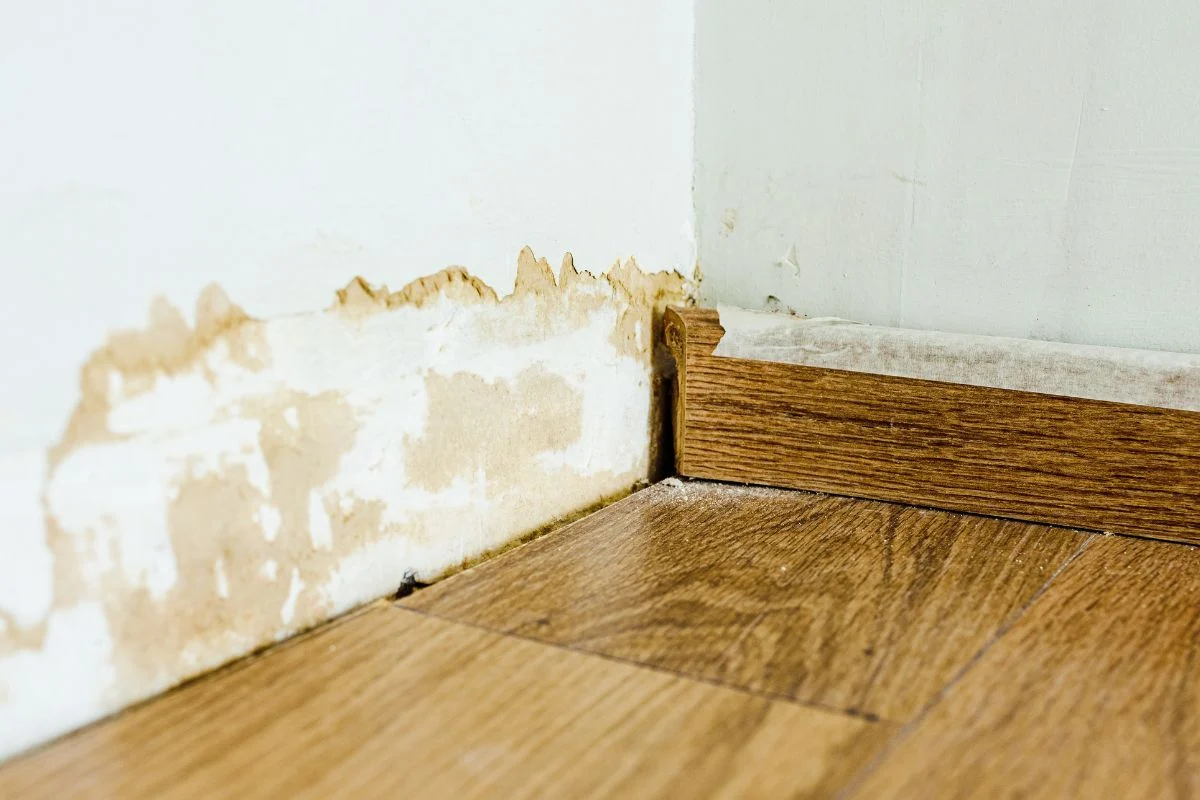
Damp is caused by unwanted moisture entering or building up inside your home. It can affect walls, floors, ceilings, and other parts of the property, leading to damage when left untreated. Dampness in a house can happen for several reasons, including water leaking into the property, moisture rising from the ground, or high levels of indoor humidity. Identifying what is causing the moisture is the first step towards an effective treatment plan.
The Three Main Types of Damp in Irish Properties
There are three main types of damp commonly found in Irish homes:
Rising damp: This occurs when moisture from the ground moves upwards through the walls. It is often linked to damaged or missing damp-proof courses and is commonly found in older properties.
Penetrating damp: This happens when water enters a property from outside through issues such as damaged roofs, leaking gutters, cracks in walls, or faulty windows.
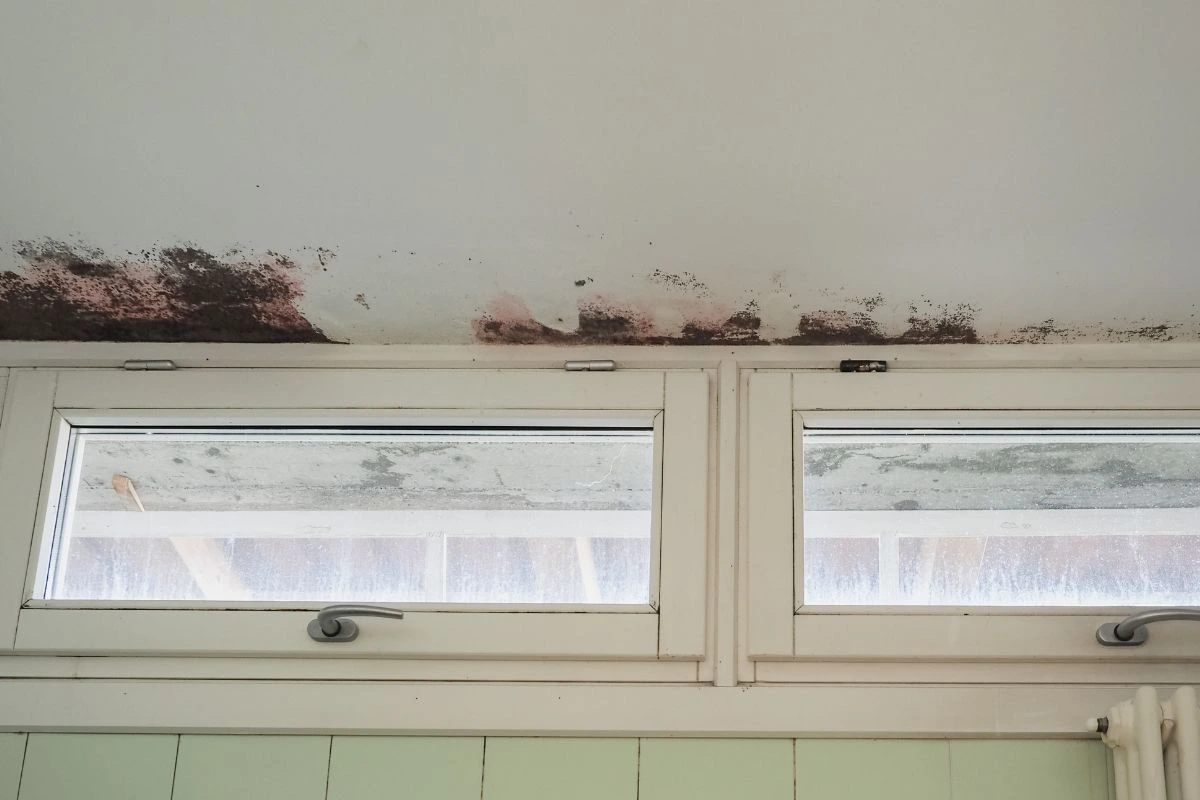
Condensation damp: This is caused by excess moisture in the air turning into water droplets when it meets colder surfaces. Condensation damp is one of the most common causes of moisture problems in Irish homes.
What Is Mould?
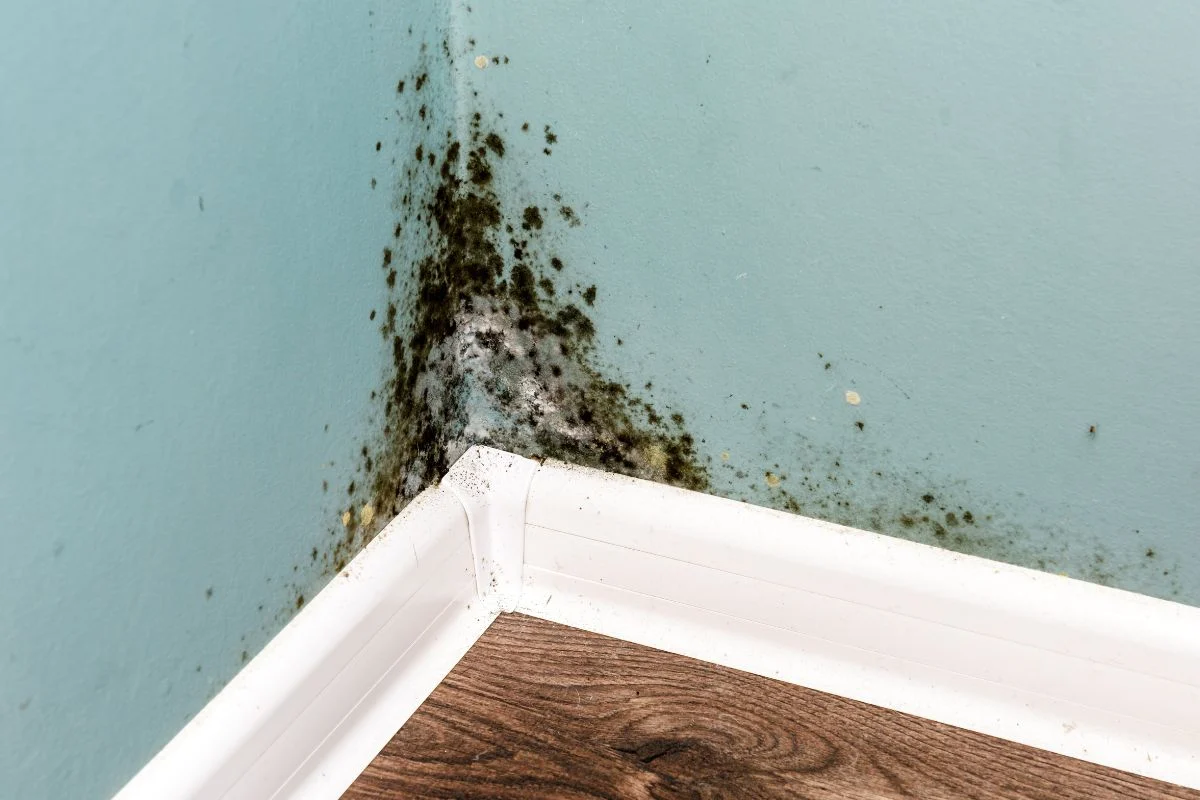
Mould is a type of fungus that grows in damp, humid environments. It thrives where there is excess moisture, poor ventilation, and limited airflow. That said, mould in houses is often a visible sign that there is an underlying moisture issue. While cleaning mould may improve the appearance temporarily, it is important to identify and fix what is causing the dampness and mould in the first place.
Common Types of Mould in Irish Homes
Some common types of mould found in Irish properties include:
- Black mould: Often linked to condensation and high humidity levels, commonly appearing around windows, ceilings, and corners.
- Green mould: Usually found in areas with ongoing moisture exposure.
- White mould: Can appear on walls, wood, and other surfaces where moisture levels are high.
Knowing what mould looks like on walls can help you spot problems early, but a professional assessment may be needed to find and fix the underlying cause.
Damp vs Mould: What’s the Difference?
Although damp and mould often appear together, they are different problems. Damp refers to the presence of excess moisture within a building, whereas mould is the growth that can develop when those damp conditions remain for too long. For example, a leaking pipe may cause damp in a wall, while poor ventilation in a bathroom may create condensation mould around windows and ceilings. Understanding the difference between dampness and mould helps ensure the correct treatment is used.
What Causes Damp and Mould in Irish Homes?
There are several reasons why damp and mould can develop, including:
- Poor ventilation and limited airflow.
- High indoor humidity levels.
- Leaking roofs, gutters, or pipes.
- Damaged external walls.
- Failed damp-proof courses.
- Drying clothes indoors without enough ventilation.
- Everyday activities such as cooking and showering.
One common question homeowners ask is what causes damp in bedrooms? Bedrooms can be affected by condensation due to simple things like breathing overnight, fully closed windows, poor ventilation, and depending on the time of year, cold external walls where moisture can collect.
Signs of Damp and Mould
Common signs of damp include:
- Damp patches on walls or ceilings.
- Peeling paint or wallpaper.
- Water stains.
- A musty smell.
- Salt deposits on walls.
- Cold or wet-feeling surfaces.
Signs of mould include:
- Black, green, or white patches on walls.
- Mould around windows and corners.
- Increased condensation.
- A stale or musty odour.
- Discolouration on walls and ceilings.
If you’re wondering, “what does damp look like?” It can vary depending on the cause. Some damp appears as visible patches, while other issues may be hidden from the naked eye behind paint, wallpaper, or furniture.
How Is Damp Diagnosed?
A professional damp inspection helps identify the source of moisture and determine the best course of action. Our team will look at the location, appearance, and severity of the problem before recommending treatment.
What Happens During a Professional Damp Investigation?
During a damp investigation, a specialist will typically:
- Carry out a visual inspection of affected areas.
- Check for moisture patterns and damage.
- Identify possible causes of damp.
- Assess ventilation and building conditions.
- Recommend suitable solutions.
A thorough damp investigation focuses on finding the cause rather than simply treating the visible symptoms.
Damp Testing Methods
Damp specialists at The Damp Store use a range of methods to assess moisture levels, including:
- Moisture meters to detect damp levels in walls and surfaces.
- Visual checks for mould and water damage.
- Thermal imaging where required.
- Building inspections to identify possible sources of moisture.
A damp test can help determine whether moisture is caused by condensation, leaks, rising damp, or another more serious issue.
Damp and Mould Treatments
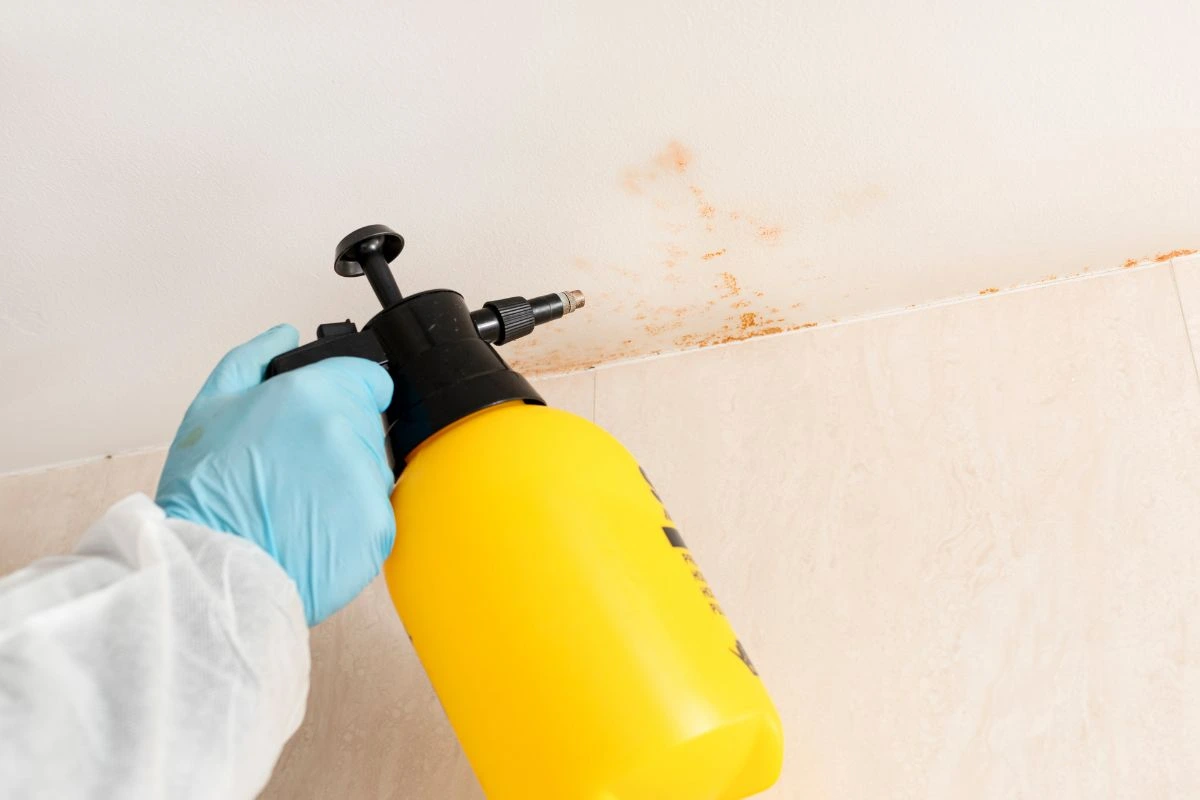
The right treatment depends on the cause of the problem. For condensation mould, improving ventilation, reducing humidity, and controlling moisture levels can make a significant difference. However, for structural damp problems, treatment may involve repairing leaks, improving drainage, fixing external damage, or installing suitable damp-proofing solutions.
FAQs
How do I know if I have rising damp or condensation mould?
Rising damp usually appears near the bottom of walls and may leave tide marks or salt deposits, whereas condensation mould is more common around windows, corners, and colder areas of the home.
What Does Mould Look Like on Walls?
Mould can appear as black, green, white, or grey patches on walls. It is often found in areas with high moisture, poor ventilation, or condensation.
Is Mould in Your Home Dangerous?
Mould can affect indoor air quality and may contribute to health concerns, particularly for people who are sensitive to mould spores.
What Causes Mould on Walls?
The main causes of mould on walls include excess moisture, condensation, poor ventilation, leaks, and cold surfaces where moisture can collect.
What Causes Damp in Bedrooms?
Damp in bedrooms is often caused by condensation, poor airflow, cold walls, leaks, or insufficient ventilation.
What Does Damp Look Like in a House?
Damp can appear as wet patches, staining, peeling paint, mould growth, salt marks, or areas that feel cold and damp to the touch.
What is the difference between Condensation Mould and Damp?
Condensation mould develops when moisture in the air settles on cold surfaces. Damp refers to unwanted moisture entering or building up within the structure of a property.
Do I Need a Mould Surveyor or a Damp Specialist?
If you are unsure whether you have a mould or moisture problem, a damp and mould surveyor or specialist can investigate the cause and recommend the right solution.
How much does a damp inspection cost in Ireland?
The cost of a damp inspection varies depending on the property size and the level of investigation required.
Can I treat damp and mould myself, or do I need a specialist?
Small areas of surface mould may be cleaned, but recurring damp and mould problems usually require a professional assessment to identify and fix the underlying cause.
